
Why Are My Tree Leaves Turning Yellow? 10 Common Causes in Southern Utah
Tree Service St George Utah | Expert Tree Health & Diagnosis
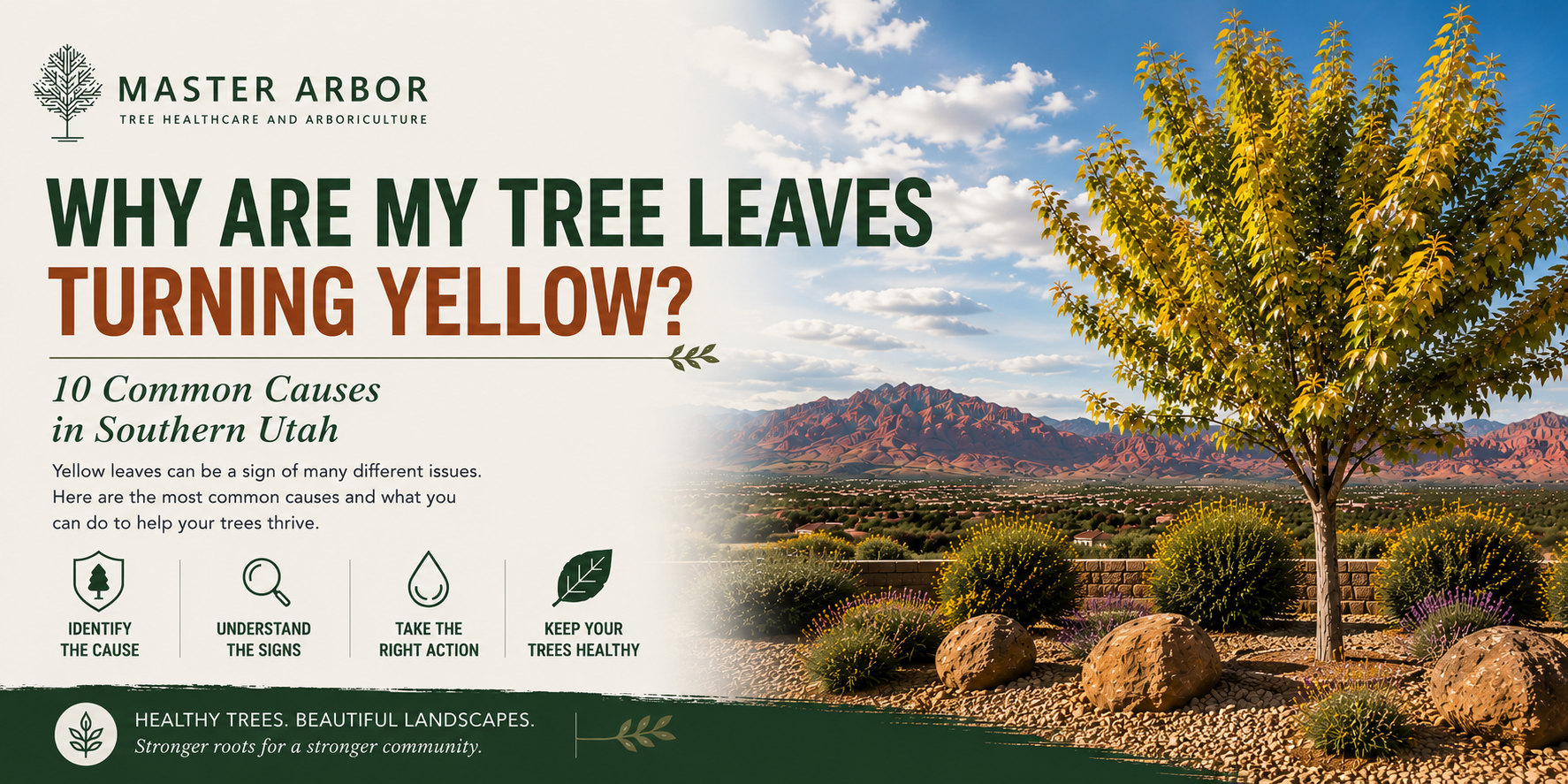
If you've looked outside and noticed your tree's leaves turning yellow, you're probably asking yourself:
"Is my tree dying?"
Fortunately, yellow leaves don't always mean a tree is dying—but they are almost always a sign that something isn't right. Yellowing leaves, known as chlorosis, are one of the most common symptoms of tree stress in Southern Utah. The challenge is that many different problems can cause the same symptom, from improper watering to insect infestations and nutrient deficiencies.
At Master Arbor, we help homeowners throughout St. George, Washington City, Hurricane, Ivins, Silver Reef, and across Washington County diagnose tree problems before they become serious. Let's look at the ten most common reasons tree leaves turn yellow—and what you can do about it.
1. Improper Watering (The #1 Cause)
In Southern Utah, watering mistakes are by far the most common reason trees develop yellow leaves.
Underwatering
Trees don't receive enough moisture to support healthy foliage.
Signs include:
Yellow leaves
Crispy edges
Wilting
Leaf drop
Overwatering
Too much water can be just as harmful.
Roots need oxygen. Saturated soil prevents roots from functioning properly, leading to yellow foliage and root decline.
What to do:
Deep water less often instead of watering lightly every day.
➡ Learn more in our Tree Watering Guide for Southern Utah.
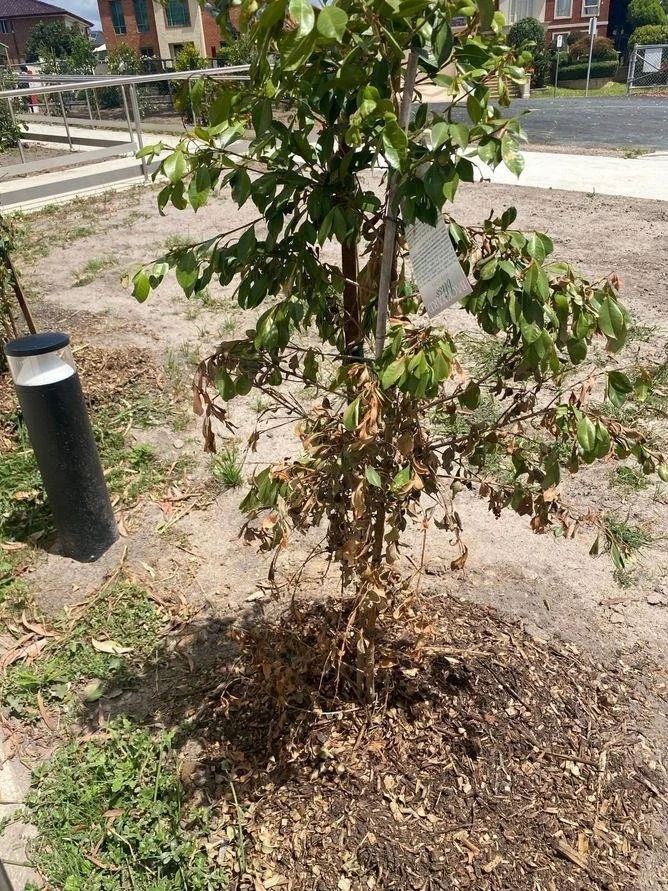
2. Heat Stress
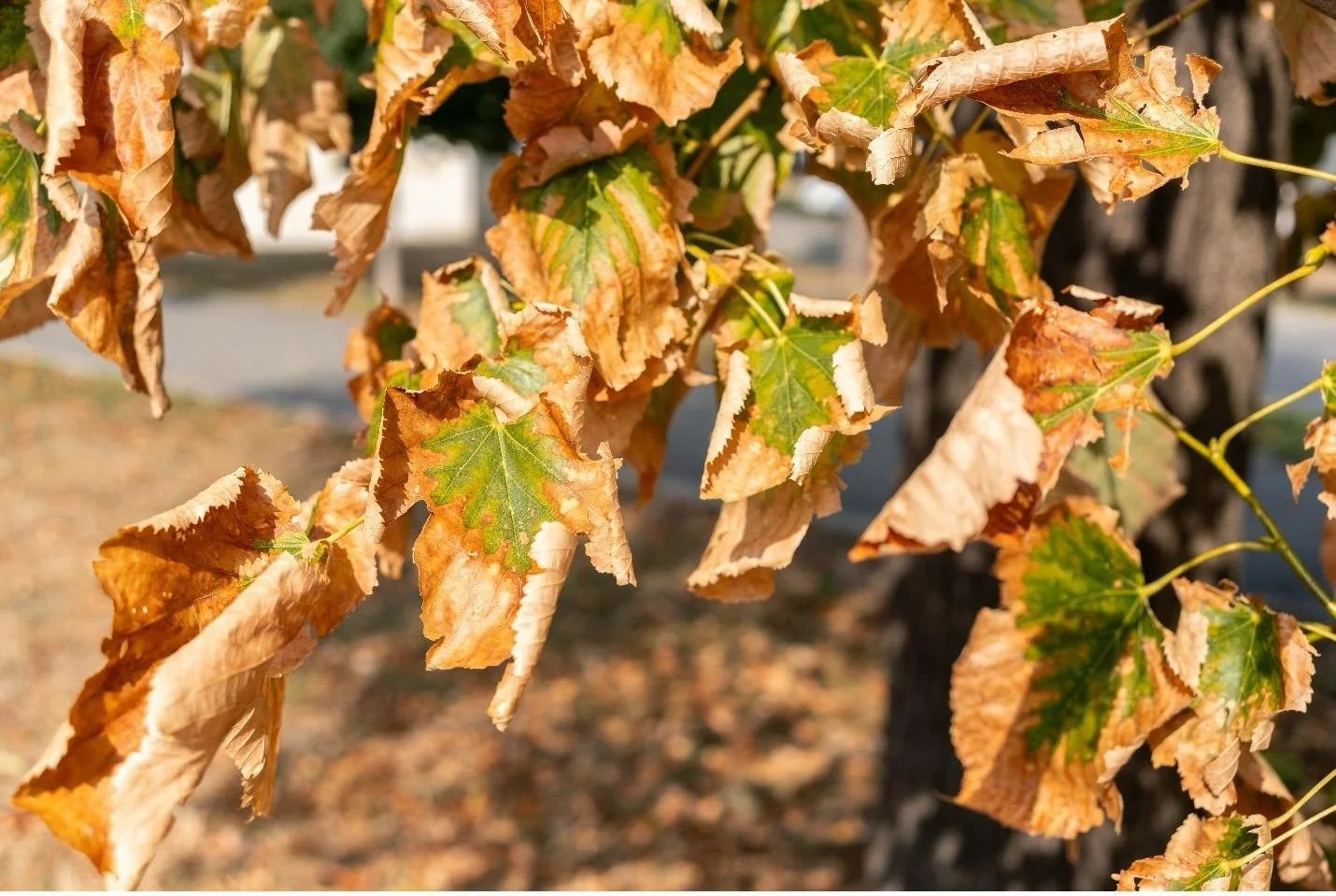
When temperatures remain above 100°F for extended periods, trees can lose water faster than their roots can replace it.
Heat stress often causes:
Yellow leaves
Brown edges
Premature leaf drop
Recently planted trees are especially vulnerable.
➡ Read: Protect Your Trees from Extreme Heat in Southern Utah
3. Nutrient Deficiencies
Yellow leaves can also indicate the tree isn't receiving the nutrients it needs.
The most common deficiencies include:
Iron
Nitrogen
Manganese
Iron chlorosis is especially common in Southern Utah because our alkaline soils make it difficult for trees to absorb iron even when it's present.
Signs
Yellow leaves with green veins
Slow growth
Small leaves
Professional soil testing helps determine the correct treatment.
4. Insect Infestations
Several insects feed on tree sap, reducing the tree's ability to produce healthy leaves.
Common Southern Utah pests include:
Aphids
Spider mites
Scale insects
Watch for:
Sticky leaves
Tiny webbing
Small bumps on branches
Distorted new growth
➡ Learn more about tree insect prevention southern utah.
5. Poor Soil Conditions
Compacted or rocky soils make it difficult for roots to absorb both water and nutrients.
This is common throughout:
St. George
Washington City
Hurricane
Ivins
Silver Reef
Healthy soil is one of the foundations of successful tree care southern utah.
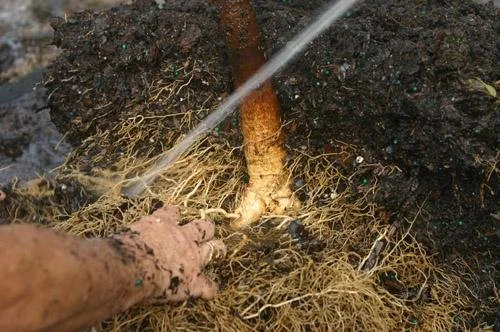
6. Root Damage
Construction, trenching, excessive foot traffic, or even installing new irrigation can damage roots. Because roots supply water to the leaves, damaged roots often cause yellow foliage before homeowners notice anything else.
7. Seasonal Leaf Changes
Not every yellow leaf indicates a problem. Deciduous trees naturally lose leaves in the fall. The difference is timing. If leaves begin turning yellow during July or August, environmental stress is a much more likely cause than normal seasonal change.
8. Improper Pruning
Removing too much foliage can increase heat stress and reduce the tree's ability to produce energy. Professional tree pruning southern utah focuses on improving tree structure while preserving enough canopy for healthy growth.
9. Disease
Although less common than watering or heat stress, some fungal and bacterial diseases cause yellow leaves.
Other symptoms may include:
Leaf spots
Branch dieback
Oozing bark
Early leaf drop
A certified arborist can determine whether disease is contributing to the problem.
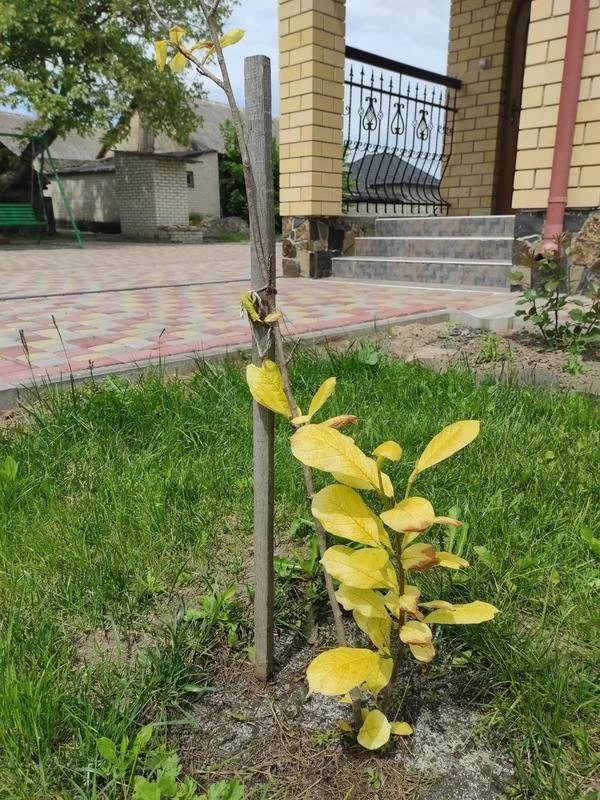
10. Transplant Shock
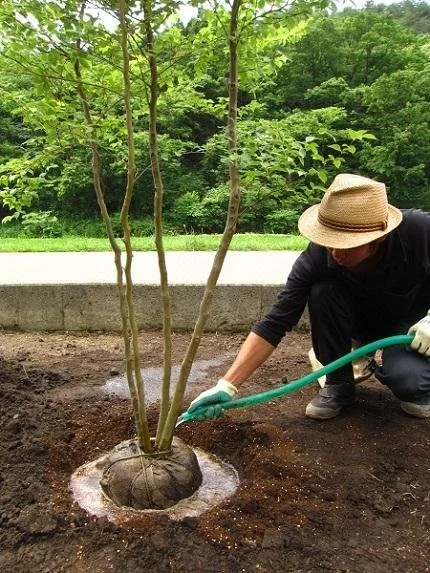
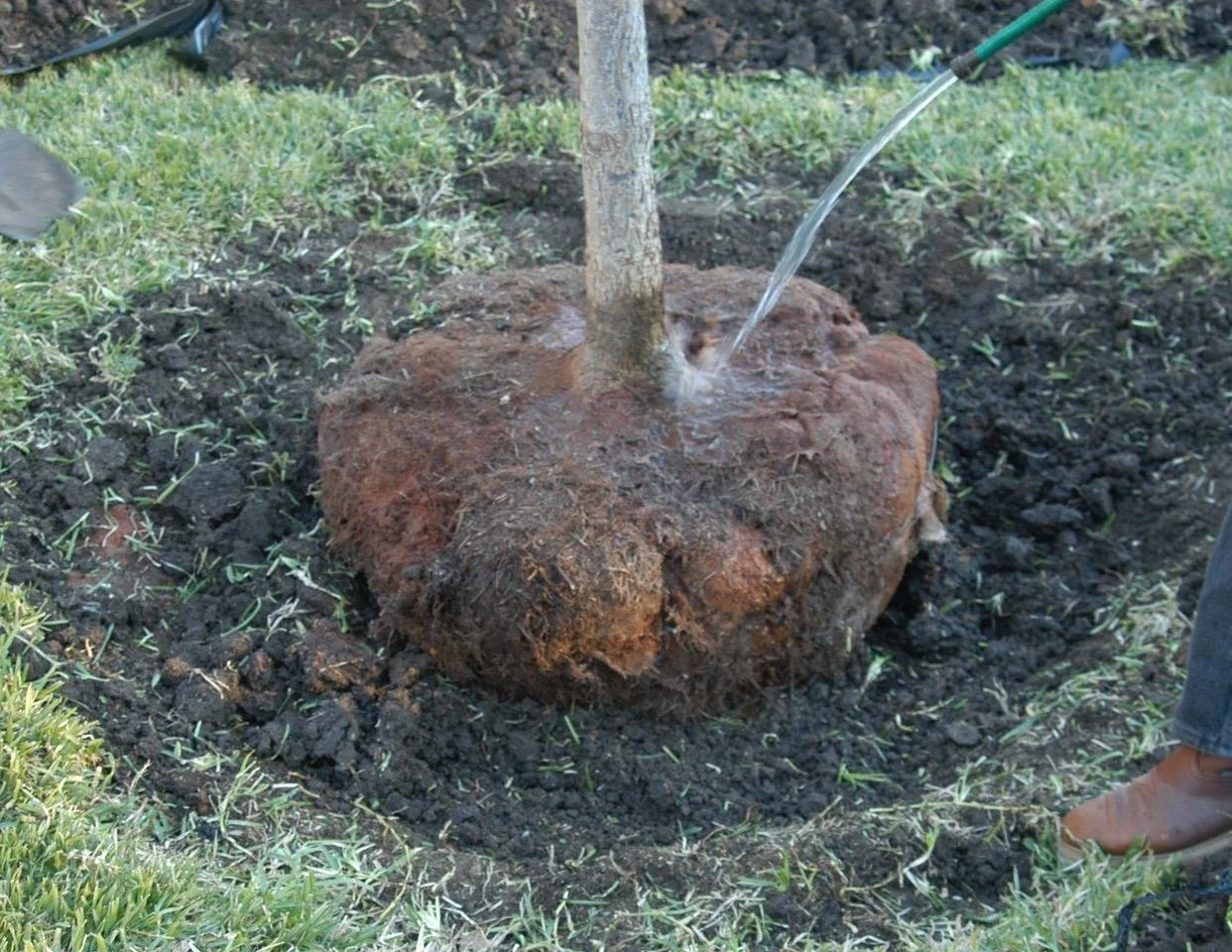
Recently planted trees commonly develop yellow leaves while establishing new roots. This is called transplant shock. Proper watering, mulch, and patience usually allow the tree to recover.
When Should You Be Concerned?
You should contact an arborist if you notice:
Yellow leaves across the entire canopy
Leaves dropping during summer
Bark cracking or peeling
Dead branches
Sparse foliage year after year
Insect activity
Mushrooms near the base of the tree
Early diagnosis can often prevent permanent damage.
Why Professional Tree Health Evaluations Matter
At Master Arbor, we don't just look at the leaves.
We evaluate:
Soil conditions
Watering practices
Root health
Insect activity
Tree structure
Heat stress
Nutrient availability
This comprehensive approach helps identify the real cause of yellow leaves rather than simply treating symptoms.
We proudly serve:
St. George
Washington City
Hurricane
Ivins
Silver Reef
Throughout Washington County
Don't Ignore Yellow Leaves
Yellow leaves are your tree's early warning system. The sooner you identify the cause, the easier—and often less expensive—it is to restore your tree's health. If your trees are showing signs of stress, let our certified arborists help.
Schedule Your Free Tree Health Evaluation
Master Arbor provides:
Tree health inspections
Soil evaluations
Watering recommendations
Insect prevention
Nutrient assessments
Customized care plans
👉 Contact Master Arbor today for a free consultation and keep your trees healthy all year long.
Related Articles
Continue learning with these helpful resources:
Aphids & Spider Mites: Identification, Treatment & Prevention
Scale on Trees & Shrubs: Identification, Treatment & Prevention
Frequently Asked Questions
-
The most common causes are improper watering, heat stress, nutrient deficiencies, insect infestations, or root damage.
-
Sometimes. If the underlying issue is corrected early, new growth may appear healthy. Severely yellow leaves often won't recover.
-
Not necessarily. Yellow leaves are an early warning sign of stress, but many trees recover with proper diagnosis and treatment.
-
Yes. Overwatering deprives roots of oxygen and can cause leaves to yellow just as quickly as underwatering.
-
Not until the cause is identified. Yellow leaves can be caused by several issues, and adding fertilizer without a diagnosis may make the problem worse.
