
Leaf scorch: Identify, prevent & treat in Southern Utah
Tree Service St George Utah | Expert Tree Care in Southern Utah
Have you noticed the edges of your tree's leaves turning brown or crispy during the summer? You're not alone. Leaf scorch is one of the most common tree health problems we see throughout Southern Utah, especially during long stretches of hot, dry weather. While scorched leaves can look alarming, they don't always mean your tree is dying. However, they are a warning sign that your tree is under stress and needs attention.
At Master Arbor, we help homeowners across St. George, Washington City, Hurricane, Ivins, Silver Reef, and throughout Washington County diagnose leaf scorch, identify the underlying cause, and develop a treatment plan that helps trees recover and thrive. In this guide, we'll explain what leaf scorch is, why it happens, how to recognize it, and the best ways to prevent it in Southern Utah's harsh desert climate.
What Is Leaf Scorch?
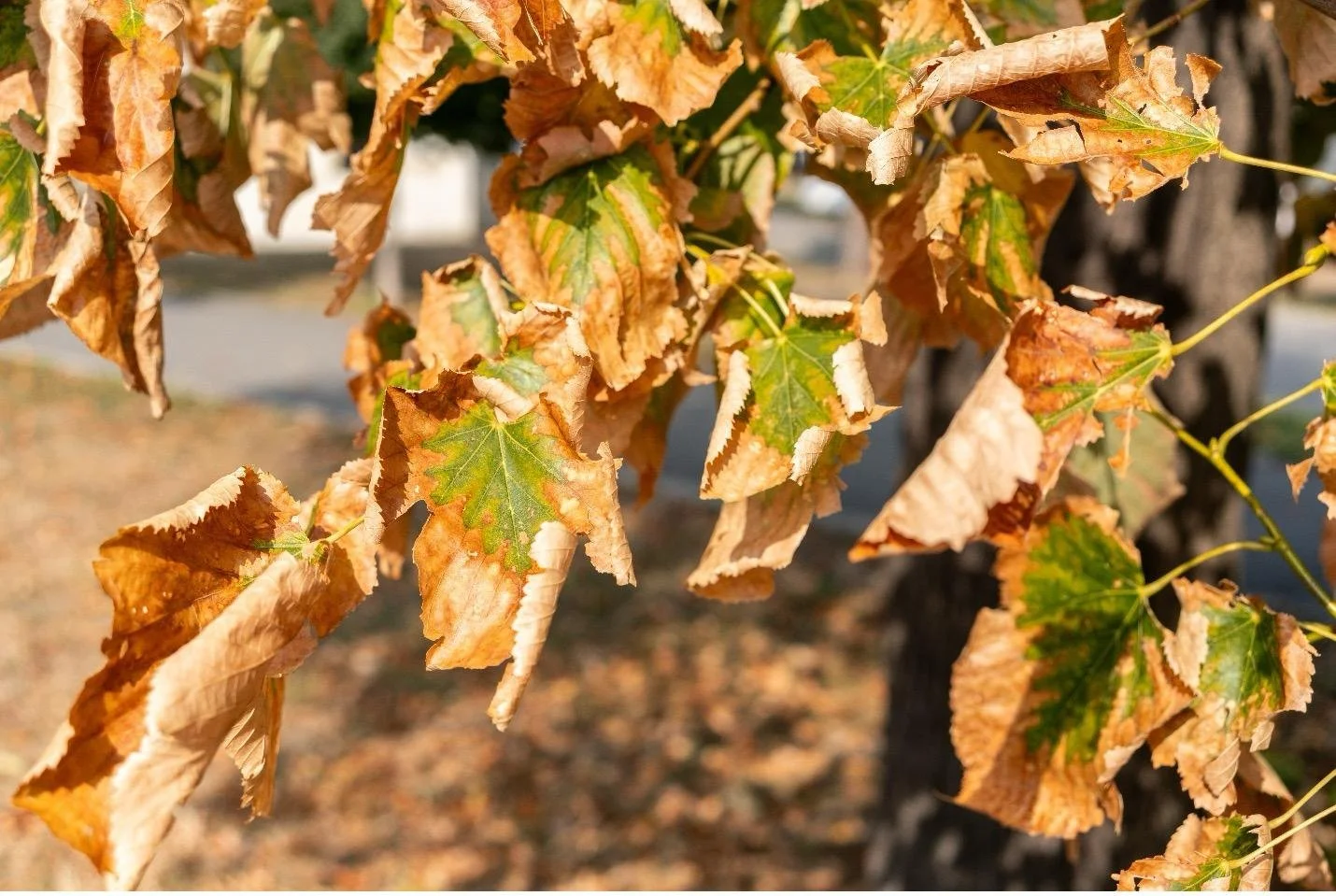
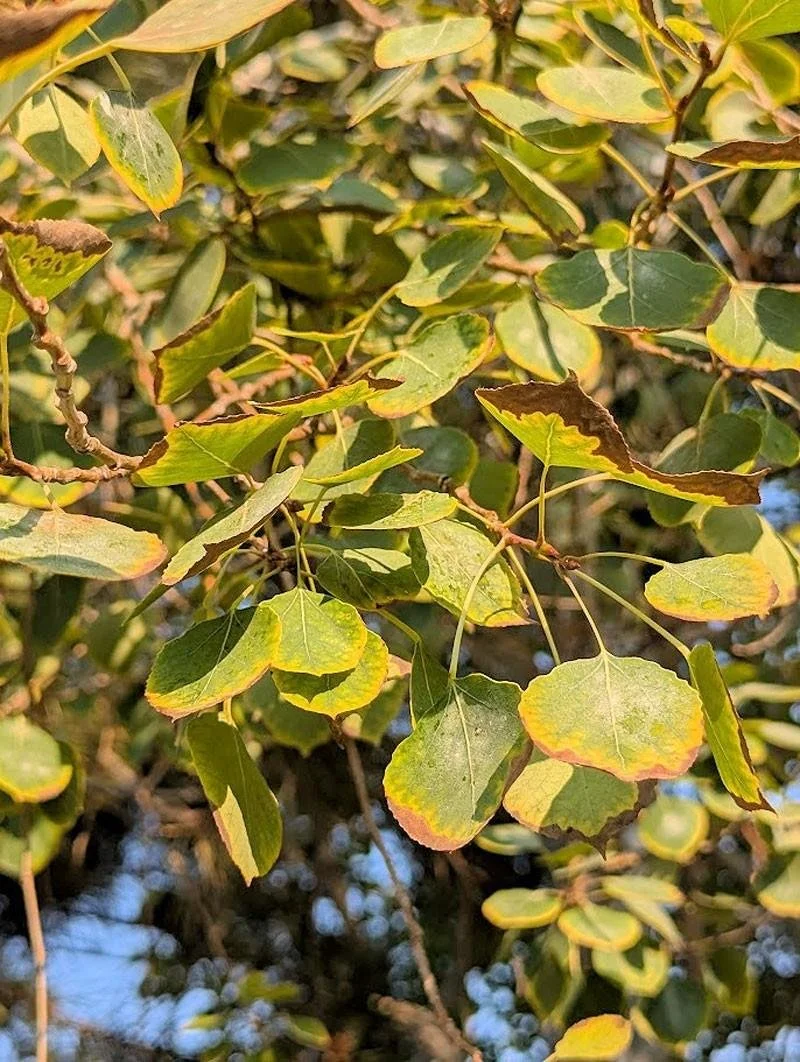
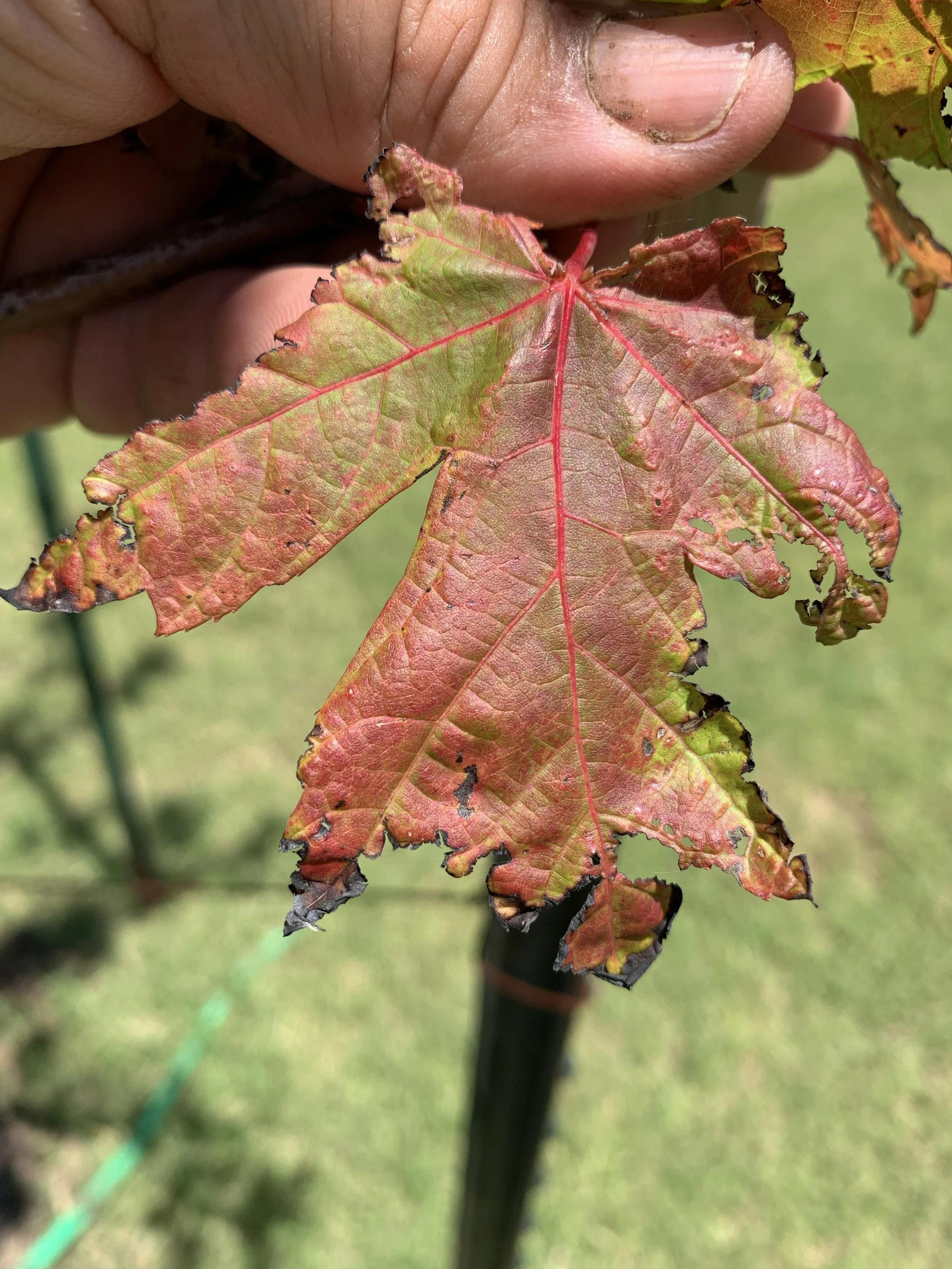
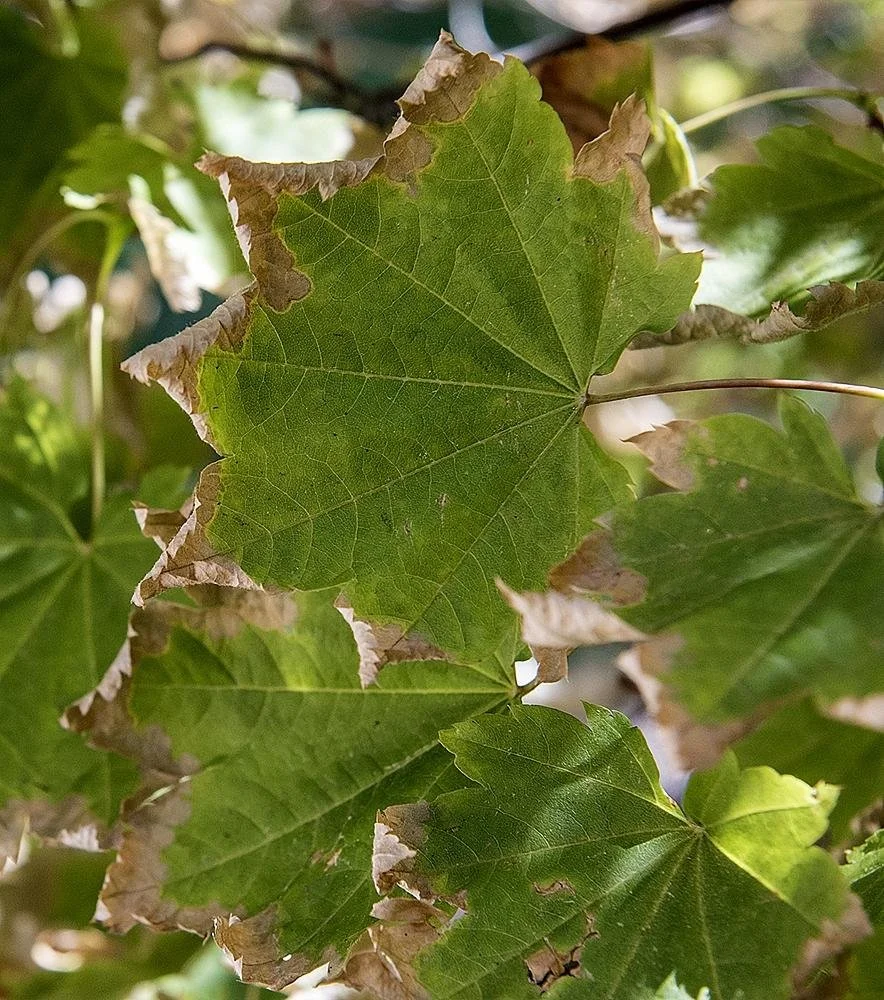
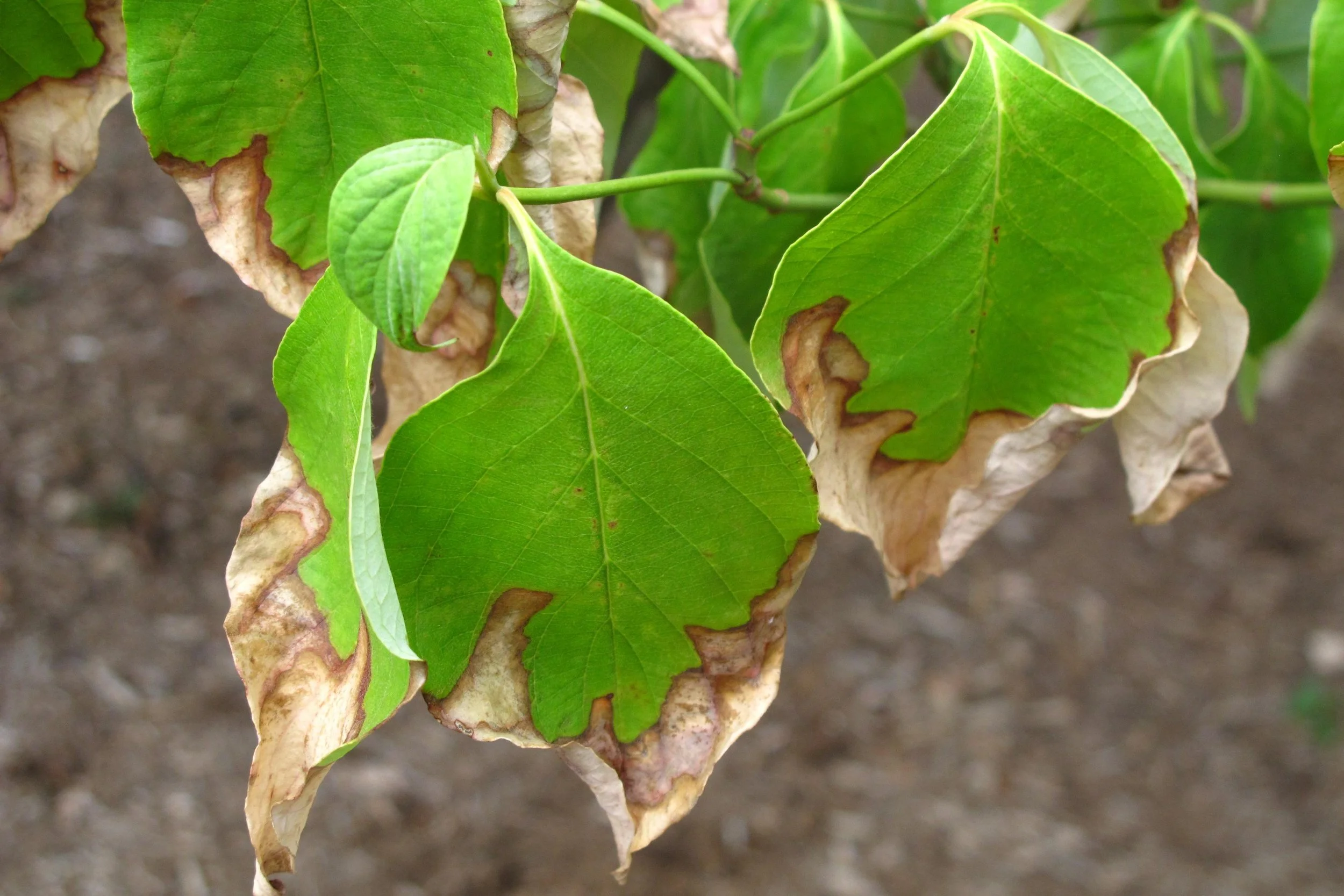
Leaf scorch is a condition that occurs when a tree loses water through its leaves faster than its roots can replace it. When this happens, the outer edges of the leaves begin to dry out and die. The damage usually starts at the leaf margins before moving inward if the stress continues. Unlike fungal diseases or insect damage, leaf scorch is usually caused by environmental stress rather than an infectious problem.
Why Leaf Scorch Is Common in Southern Utah
The climate in Washington County creates the perfect conditions for leaf scorch.
Common contributing factors include:
Triple-digit summer temperatures
Low humidity
Hot afternoon winds
Intense sunlight
Drought conditions
Heat reflected from rock landscaping, sidewalks, and driveways
Even healthy trees can develop leaf scorch during prolonged heat waves if they cannot absorb enough water to keep up with moisture loss.
How to Identify Leaf Scorch
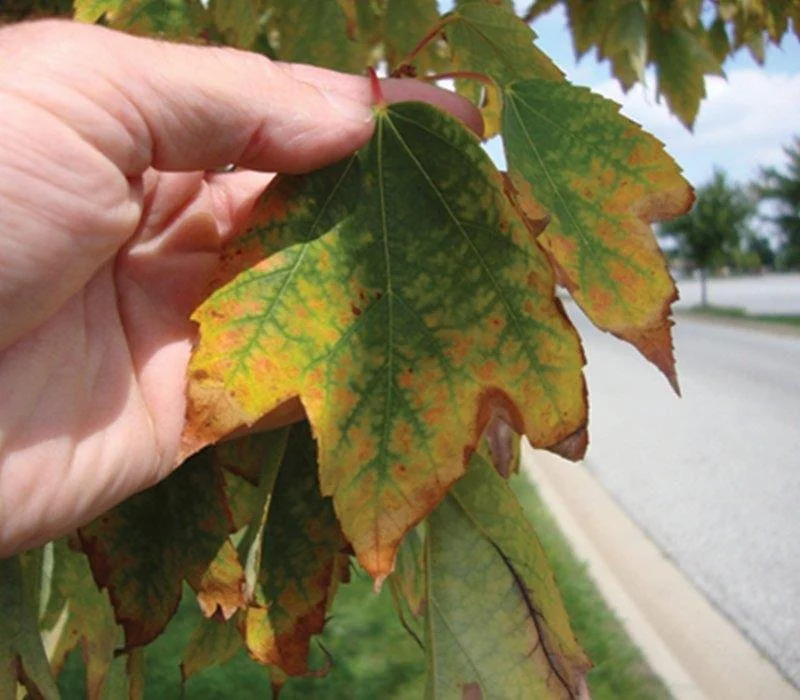
Leaf scorch usually has a very recognizable appearance.
Common Symptoms
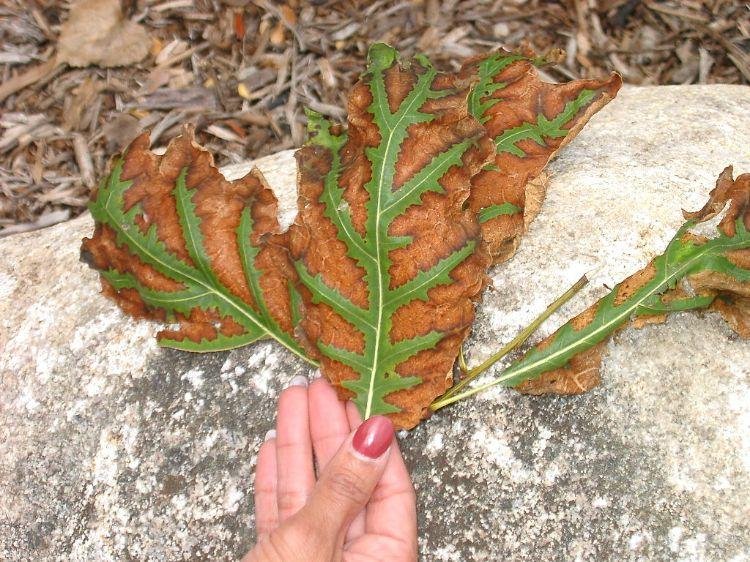
Brown, dry edges around the leaf
Yellow band between healthy tissue and brown edges
Crispy or brittle leaf margins
Leaves curling inward
Premature leaf drop
Thin or sparse canopy
Unlike many insect problems, the damage often appears fairly uniform throughout the exposed parts of the tree.
Trees Most Susceptible to Leaf Scorch
Although almost any tree can develop leaf scorch, we most commonly see it on:
Maple
Ash
Birch
Linden
Redbud
Fruit trees
Newly planted shade trees
Young trees are especially vulnerable because their root systems haven't fully established.
What Causes Leaf Scorch?
Leaf scorch isn't a disease itself—it's a symptom that something is stressing the tree.
Common causes include:
1. Improper Watering
The most common cause in Southern Utah.
Trees that receive shallow or inconsistent watering cannot supply enough moisture to their leaves.
Proper tree care southern utah begins with deep watering.
2. Heat Stress
Extended periods above 100°F dramatically increase water loss through leaves.
Heat waves can overwhelm even well-established trees.
3. Root Damage
Construction, soil compaction, or poor planting practices reduce a tree's ability to absorb water.
4. Poor Soil Conditions
Much of Southern Utah has rocky or compacted soil that limits water infiltration.
Roots may never receive enough moisture, even when homeowners water regularly.
5. Wind Exposure
Hot, dry winds common across St. George and Hurricane dramatically increase moisture loss from leaves.
How to Treat Leaf Scorch
The first step is identifying why the tree is stressed.
Deep Water Correctly
Water slowly and deeply around the drip line—not against the trunk. For most mature trees, deep watering once or twice per week is far better than daily shallow watering. Learn more in our Ultimate Tree Watering Guide for Southern Utah.
Add Mulch
Mulch helps:
Reduce evaporation
Keep roots cooler
Improve soil moisture
Reduce heat stress
Apply 2–4 inches around the root zone while keeping mulch away from the trunk.
Avoid Heavy Pruning
During periods of heat stress, avoid removing large portions of the canopy. Leaves provide natural shade that helps protect branches and the trunk. Professional tree pruning southern utah focuses on maintaining structure while minimizing stress.
Inspect for Insects
Heat-stressed trees become more vulnerable to:
Aphids
Spider mites
Scale insects
Borers
Professional tree insect prevention southern utah helps prevent secondary pest problems while your tree recovers.
Can Leaf Scorch Be Reversed?
Unfortunately, damaged leaves usually won't turn green again. However, that doesn't mean your tree is dying.
If the underlying cause is corrected:
New growth will typically emerge healthy.
The tree can recover over time.
Long-term damage can often be prevented.
The key is acting before repeated seasons of stress weaken the tree.
Why Professional Tree Care Makes a Difference
At Master Arbor, we specialize in diagnosing tree stress before it becomes permanent damage.
We proudly serve homeowners throughout:
St. George
Washington City
Hurricane
Ivins
Silver Reef
Washington County
Our certified arborists evaluate watering, soil conditions, insects, pruning, and overall tree health to develop customized treatment plans.
Don't Ignore Brown Leaves
Leaf scorch is your tree's way of telling you something is wrong. The sooner you identify the cause, the easier—and less expensive—it is to protect your tree. Whether your tree is suffering from drought stress, heat damage, or another issue, Master Arbor can help.
Schedule Your Free Tree Health Evaluation
Our certified arborists provide:
Tree health inspections
Watering recommendations
Soil evaluations
Heat stress assessments
Insect prevention
Customized seasonal care plans
👉 Contact Master Arbor today to scheadule your free consultation.
Related Articles
Continue learning with these helpful resources:
Frequently Asked Questions
-
No. Leaf scorch is usually a symptom of environmental stress such as heat, drought, or root problems rather than a disease.
-
Yes. While damaged leaves won't heal, many trees recover if the underlying cause is corrected and future stress is minimized.
-
Brown leaf edges are commonly caused by leaf scorch due to insufficient water, extreme heat, wind, or damaged roots.
-
Generally, no. Unless the leaves are completely dead or diseased, they continue to produce energy for the tree.
-
Deep watering, proper mulching, avoiding unnecessary pruning during extreme heat, and maintaining overall tree health are the best prevention strategies.
