
Tree Care & Education in St George
Our tree care education center is designed to help homeowners in St. George, Washington, and Hurricane better understand how to care for their trees in Southern Utah’s unique climate.
Whether you’re looking for tree pruning guidance, insect prevention tips, or solutions for ornamental fruit mess, our expert arborists break it down in simple, practical terms.
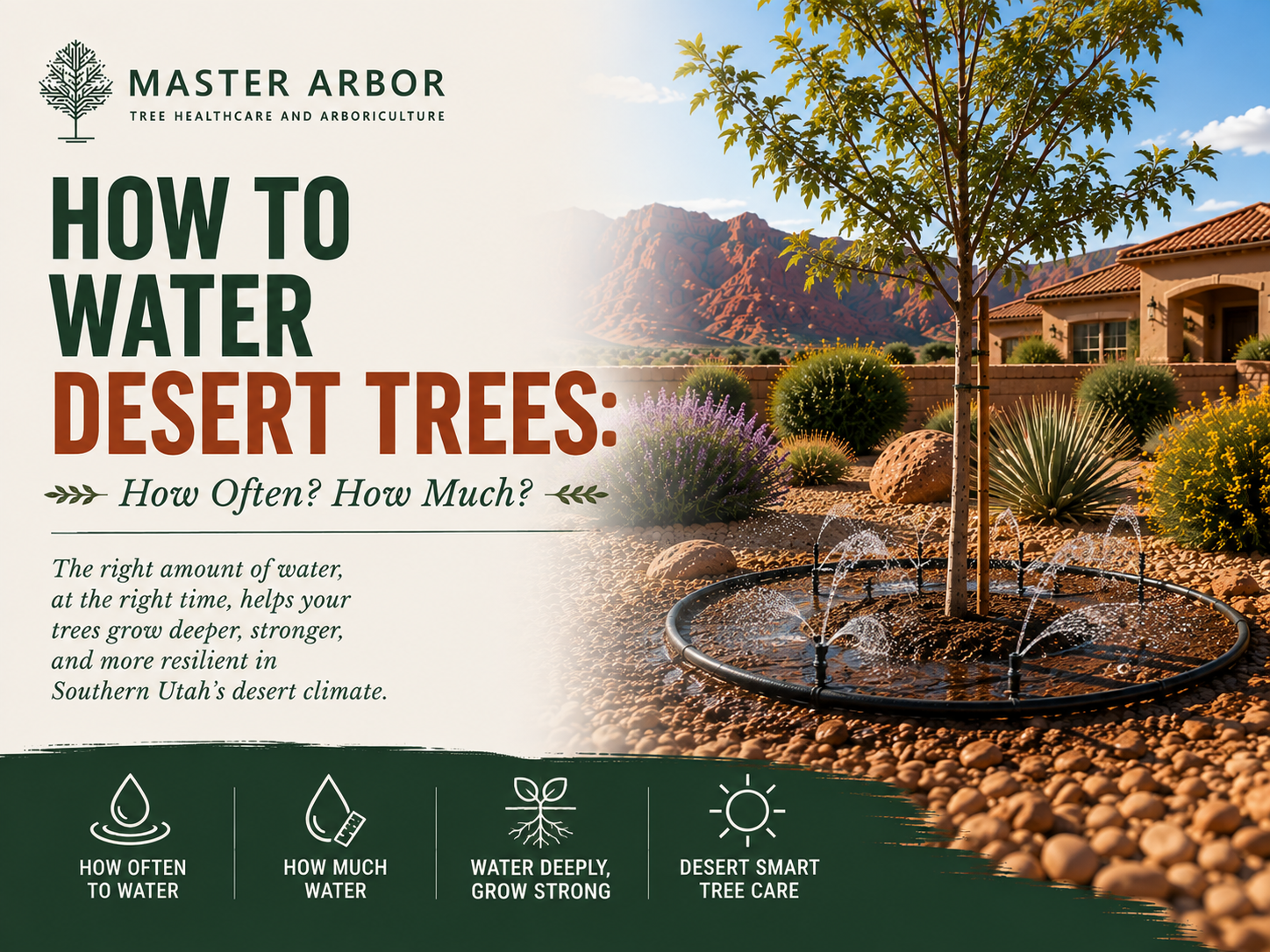
How to Water Desert Trees: How Often? How Much?
one of the most common problems we see with trees throughout St. George, Hurricane, Washington City, Santa Clara, Ivins, Silver Reef, and Washington County isn't necessarily too little water.

Best Drought-Tolerant Trees for Southern Utah: 10 Trees Built for the Desert
The right tree needs to survive triple-digit summer temperatures, intense sunlight, low humidity, alkaline soils, limited rainfall, and periods of drought—without requiring excessive irrigation just to stay alive.
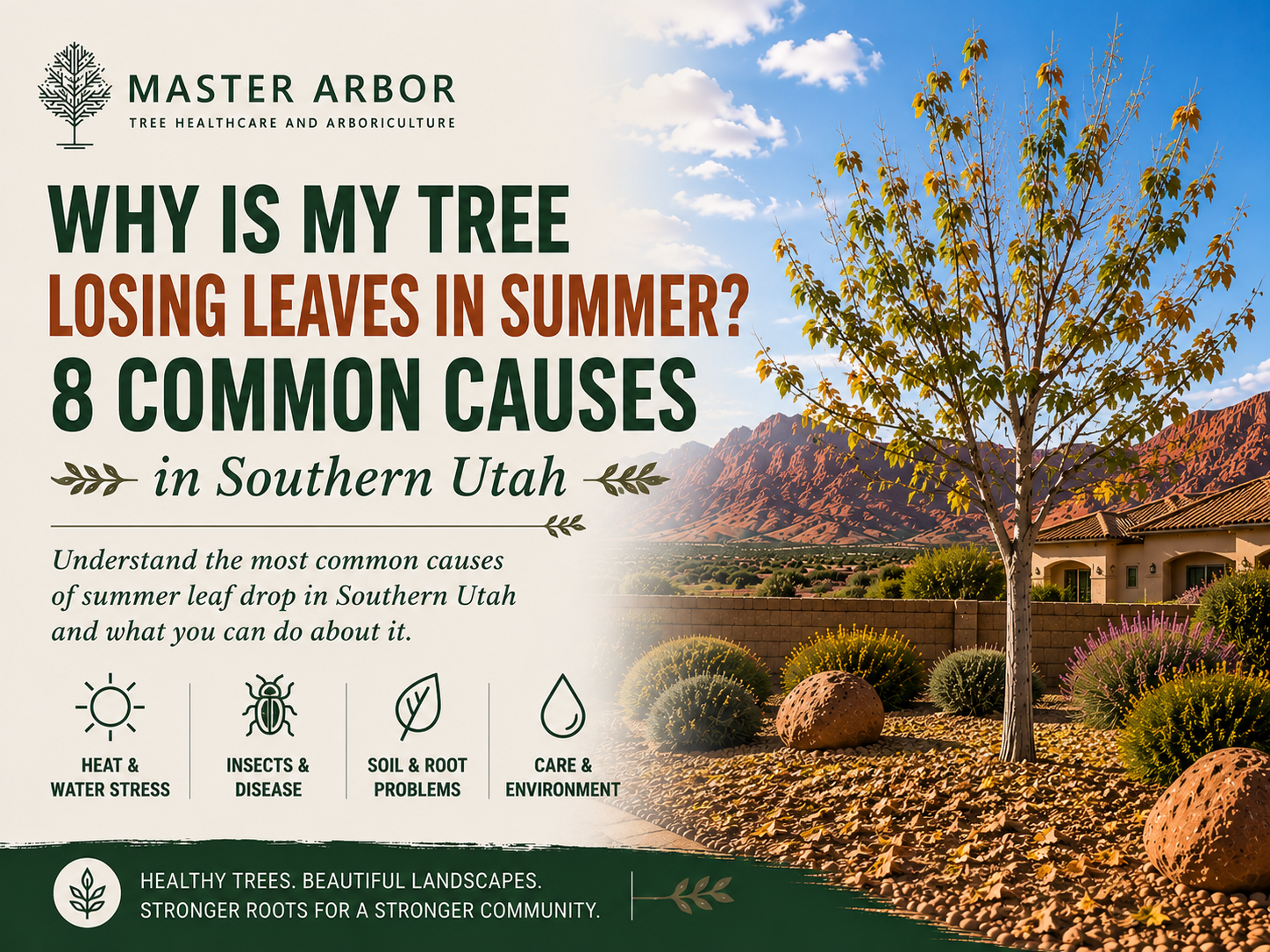
Why Is My Tree Losing Leaves in Summer? 8 Common Causes in Southern Utah
Trees can lose leaves during summer for several reasons, and in St. George, Hurricane, Washington City, Ivins, Santa Clara, and throughout Washington County, extreme heat and dry conditions make premature leaf drop especially common.
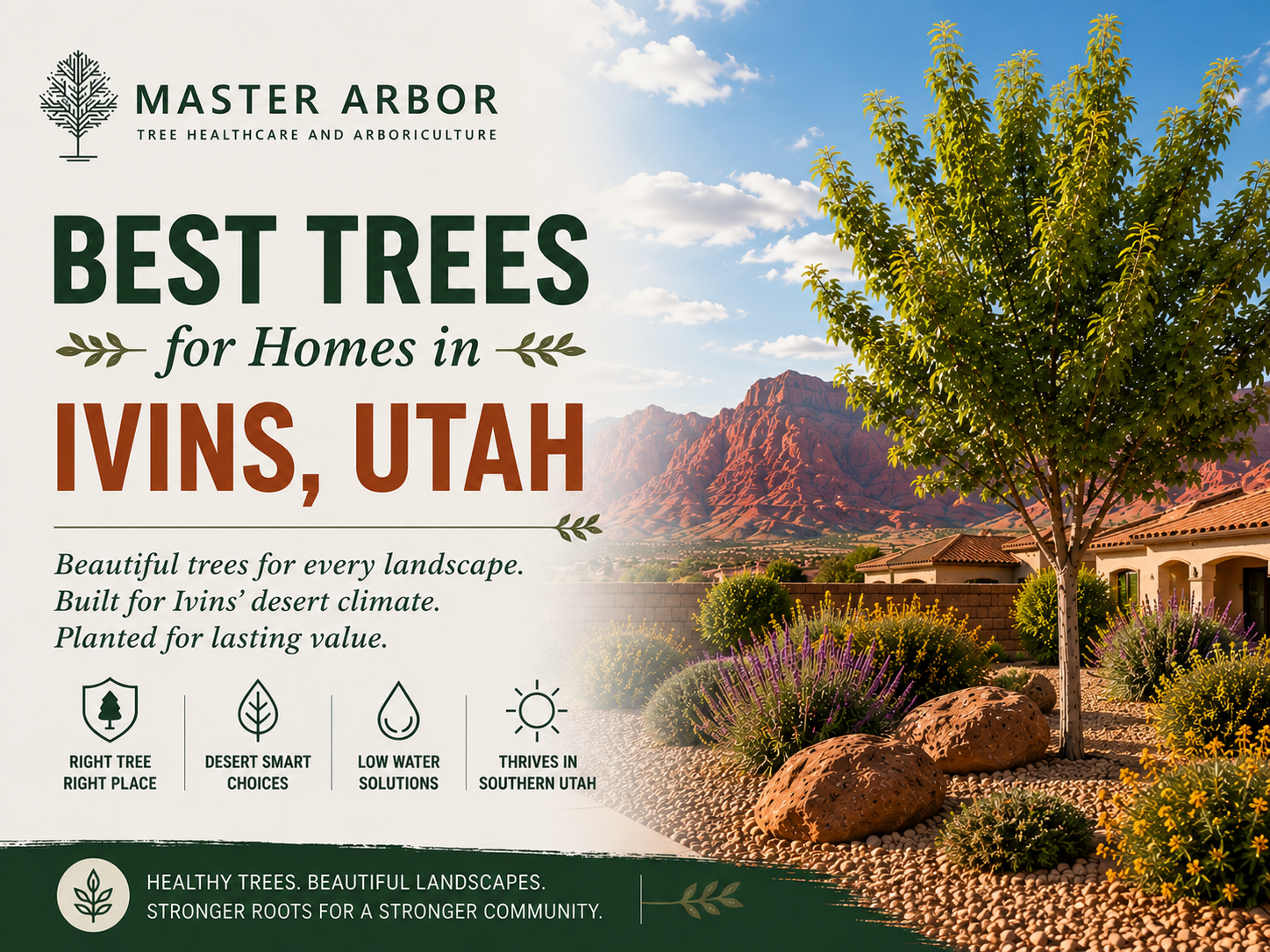
Best Trees for Homes in Ivins, Utah
A well-chosen tree can completely transform an Ivins property. It can add cooling shade, improve curb appeal, create privacy, soften a rock-heavy landscape, and make an outdoor space more enjoyable during Southern Utah’s hottest months.
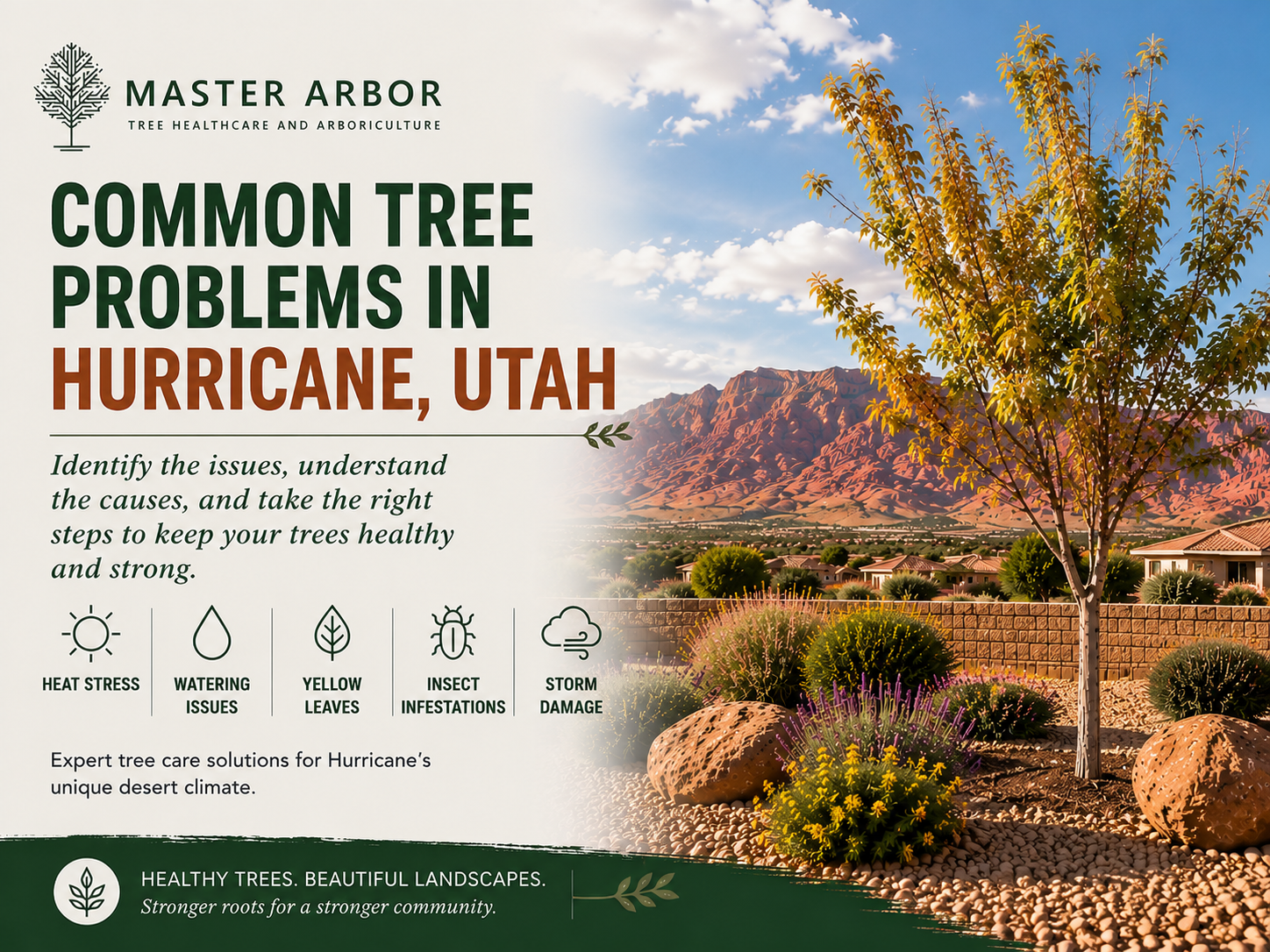
Common Tree Problems in Hurricane, Utah
Hurricane, Utah is known for its beautiful desert scenery, warm climate, and stunning red rock landscapes. While these conditions create an incredible place to live, they also present unique challenges for maintaining healthy trees.
Desert Tree Care in Santa Clara
Nestled against the beautiful red cliffs of Southern Utah, Santa Clara offers stunning desert landscapes, mature shade trees, and some of the most desirable neighborhoods in Washington County. However, the same climate that makes the area so beautiful also creates unique challenges for homeowners trying to maintain healthy trees.
Monsoon Season Tree Safety: Preparing for High Winds & Storm Damage
Monsoon season is one of the most beautiful—and unpredictable—times of the year in Southern Utah. Afternoon thunderstorms can roll into St. George, Hurricane, Washington City, Ivins, Silver Reef, and throughout Washington County with little warning, bringing powerful wind gusts, heavy rain, lightning, and even flash flooding.

Tips to Manage Summer Leaf Scorch in Southern Utah
Summers in Southern Utah are known for their long days, intense sunshine, and triple-digit temperatures. While many landscape trees are adapted to warm weather, prolonged periods of extreme heat can push them beyond their limits, leading to a condition known as summer leaf scorch.
Why Are My Tree Leaves Turning Yellow? 10 Common Causes in Southern Utah
Fortunately, yellow leaves don't always mean a tree is dying—but they are almost always a sign that something isn't right. Yellowing leaves, known as chlorosis, are one of the most common symptoms of tree stress in Southern Utah. The challenge is that many different problems can cause the same symptom, from improper watering to insect infestations and nutrient deficiencies.
Find Your Perfect Tree: The Southern Utah Homeowner's Comparison Guide
Planting a tree is one of the best investments you can make for your home. The right tree provides shade, reduces cooling costs, increases property value, improves curb appeal, and creates a healthier outdoor environment.
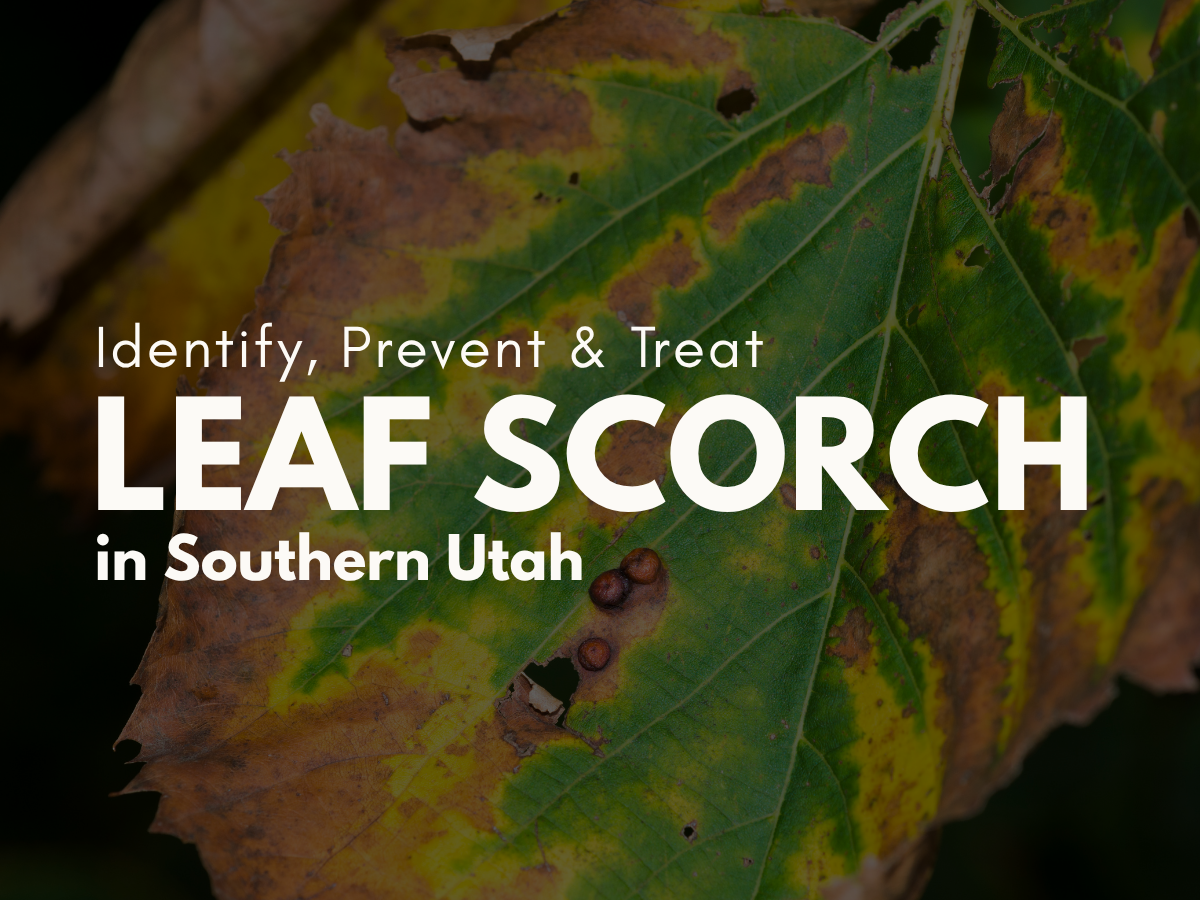
Leaf scorch: Identify, prevent & treat in Southern Utah
Have you noticed the edges of your tree's leaves turning brown or crispy during the summer? You're not alone. Leaf scorch is one of the most common tree health problems we see throughout Southern Utah, especially during long stretches of hot, dry weather. While scorched leaves can look alarming, they don't always mean your tree is dying. However, they are a warning sign that your tree is under stress and needs attention.

Plant care tips during extreme heat wave
Summer in Southern Utah is beautiful—but it can also be incredibly hard on your landscape. When temperatures climb above 100°F for days or even weeks at a time, trees, shrubs, flowers, and newly planted landscapes experience intense stress.
Whether you live in St. George, Washington City, Hurricane, Ivins, Silver Reef, or anywhere in Washington County,
How to Prevent Sun Scald on Young Trees in Southern Utah
Planting a new tree is one of the best investments you can make for your property. A healthy tree provides shade, beauty, increased property value, and long-term environmental benefits.
Unfortunately, many newly planted trees in Southern Utah never reach their full potential because of one often-overlooked problem: sun scald. At Master Arbor, we frequently see young trees in St. George, Washington City, Hurricane, Ivins, and throughout Washington County suffering from trunk damage caused by intense sunlight and extreme temperature swings. The good news is that sun scald is almost always preventable with the right care. In this guide, we'll explain what sun scald is, why it happens, how to recognize it, and the best ways to protect your young trees.
Deep Watering Done Right: 8 Tips for Healthier Trees
In Southern Utah, proper watering is one of the most important factors in keeping trees healthy.
Unfortunately, many homeowners in St. George, Hurricane, Washington City, Ivins, and Silver Reef are watering incorrectly — even when they think they’re doing everything right.
At Master Arbor, we regularly see tree stress caused by:
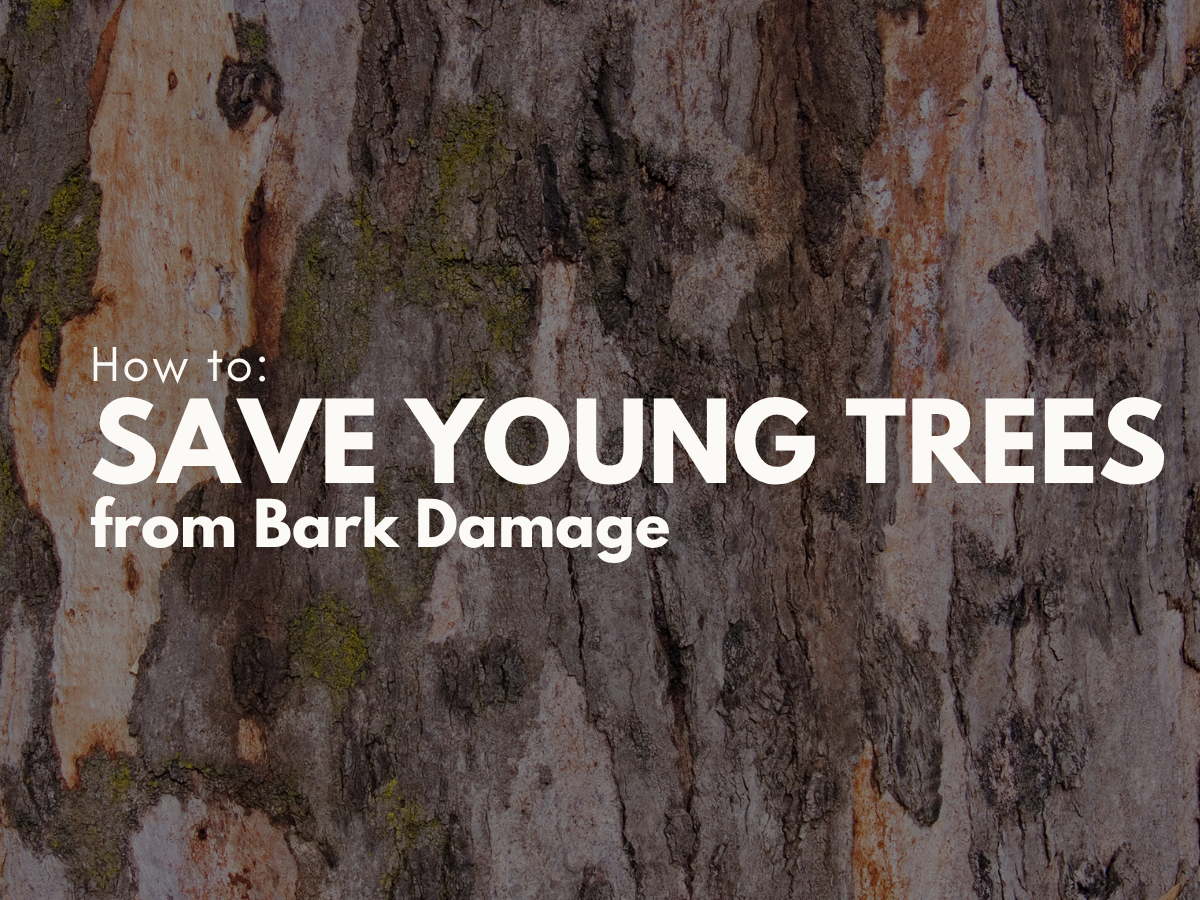
How to Save Young Trees with Damaged Bark
Bark damage on young trees is one of the most common problems homeowners face in Southern Utah.
Whether it’s caused by:
Extreme heat
Sunburn
Weed eaters
Lawn equipment
Insects
Animals
Wind damage
…injured bark can quickly threaten the health of a young tree if not treated properly.

How Often to Water New Trees in Southern Utah
Planting a new tree is one of the best ways to improve your landscape, increase shade, and boost curb appeal in Southern Utah.
But here’s the problem:
Most new trees that fail in St. George, Hurricane, Washington City, Ivins, and Silver Reef don’t die because of insects or disease…
They die because of improper watering.
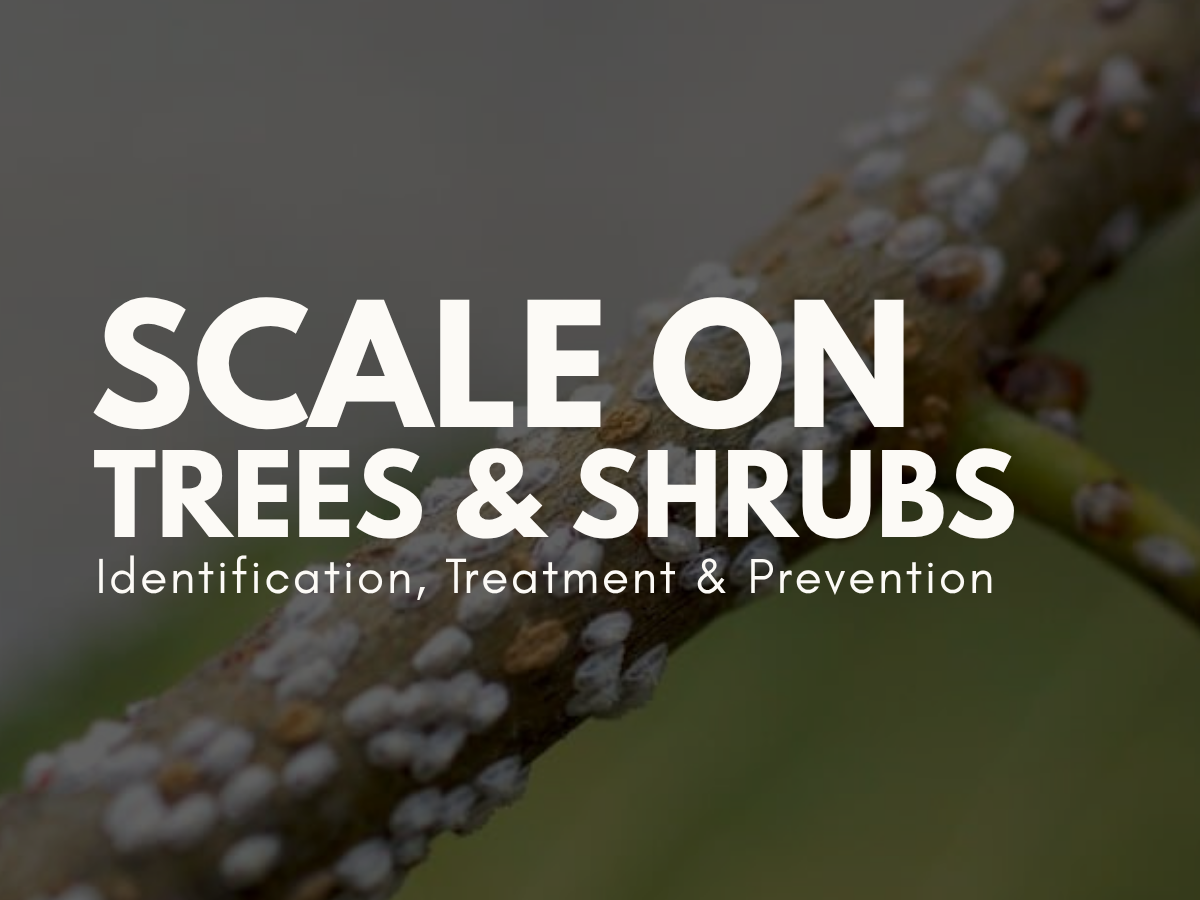
Scale on Trees & Shrubs: Identification, Treatment & Prevention
If your trees or shrubs have sticky leaves, yellowing foliage, black mold, or strange bumps on branches, scale insects may already be damaging your landscape.
Scale is one of the most common — and most overlooked — insect problems affecting trees and shrubs in Southern Utah.
At Master Arbor, we frequently help homeowners throughout St. George, Hurricane, Washington City, Ivins, Silver Reef, and across Washington County identify and treat scale infestations before serious damage occurs.
Palm Tree Pruning Guide for Southern Utah
Palm trees are one of the most recognizable landscape features in Southern Utah.
From resorts and HOA communities to residential homes in St. George, Hurricane, Washington City, Ivins, and Silver Reef, palm trees add a clean, tropical look that thrives surprisingly well in the desert climate.
But many homeowners make one major mistake:
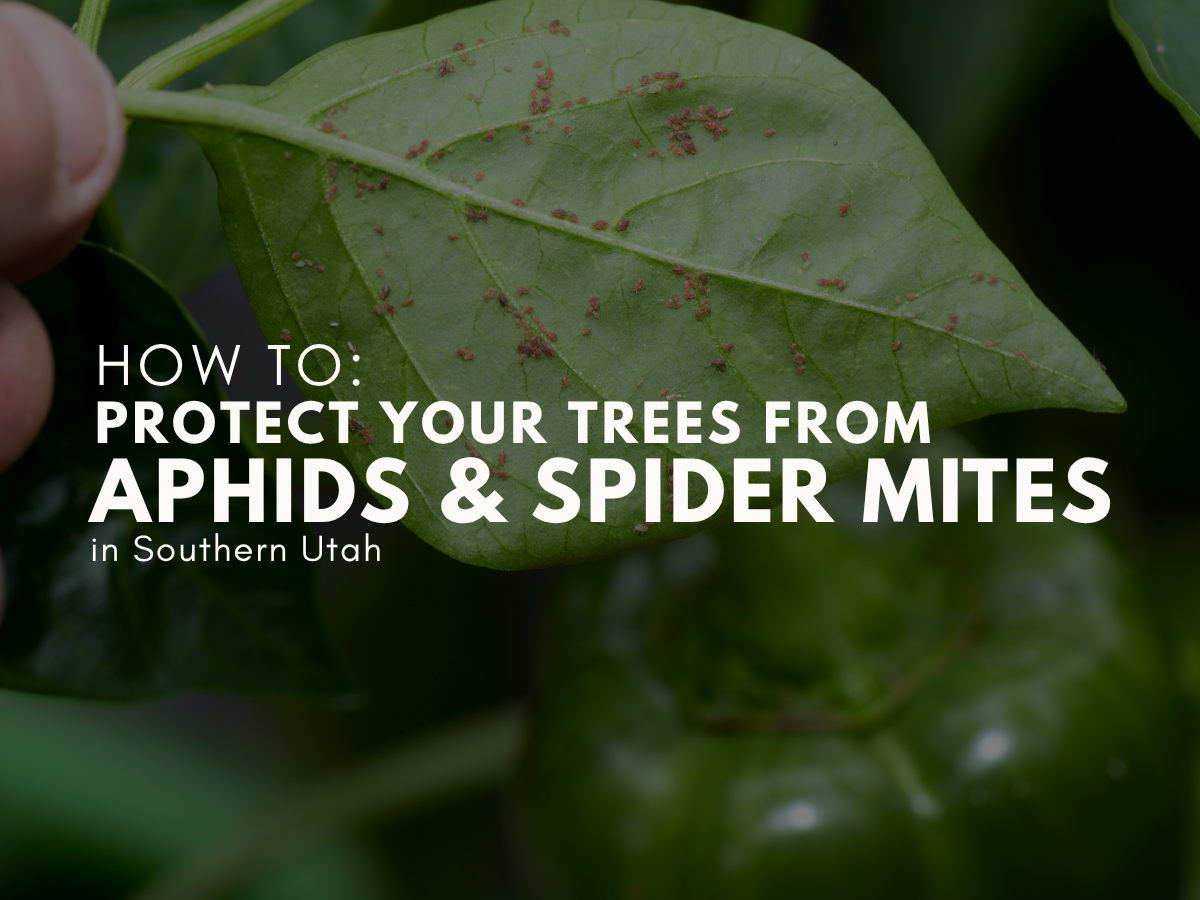
How to Protect Your Trees from Aphids & Spider Mites in Southern Utah
If your trees are developing yellow leaves, sticky residue, thinning foliage, or webbing, insects may already be damaging your landscape.
In Southern Utah, two of the most common tree pests we see are:

The Ultimate Tree Watering Guide for Southern Utah
How to Properly Water Trees in St. George, Hurricane & Washington County
If you live in Southern Utah, watering your trees correctly can mean the difference between a healthy landscape and a dying tree.
Unfortunately, most homeowners in St. George, Hurricane, Washington City, Ivins, and Silver Reef are unknowingly watering incorrectly — especially during the extreme summer heat.