
Plant care tips during extreme heat wave
How to Protect Trees, Shrubs & Landscape Plants in Southern Utah
Summer in Southern Utah is beautiful—but it can also be incredibly hard on your landscape. When temperatures climb above 100°F for days or even weeks at a time, trees, shrubs, flowers, and newly planted landscapes experience intense stress. Whether you live in St. George, Washington City, Hurricane, Ivins, Silver Reef, or anywhere in Washington County, preparing your landscape before and during a heat wave can make the difference between healthy plants and costly replacements. At Master Arbor, we help homeowners protect their landscapes from extreme weather year after year. Here are our top recommendations for keeping your plants healthy when the desert heat arrives.
Why Extreme Heat Is So Hard on Plants
Southern Utah's climate creates several challenges that work together against your landscape. During an extreme heat wave, plants lose moisture faster than they can replace it because of:
Triple-digit temperatures
Low humidity
Intense UV exposure
Hot winds
Reflective heat from rock landscaping, concrete, and driveways
Even drought-tolerant plants can become stressed when these conditions persist for several days.
1. Water Deeply Instead of Watering More Often
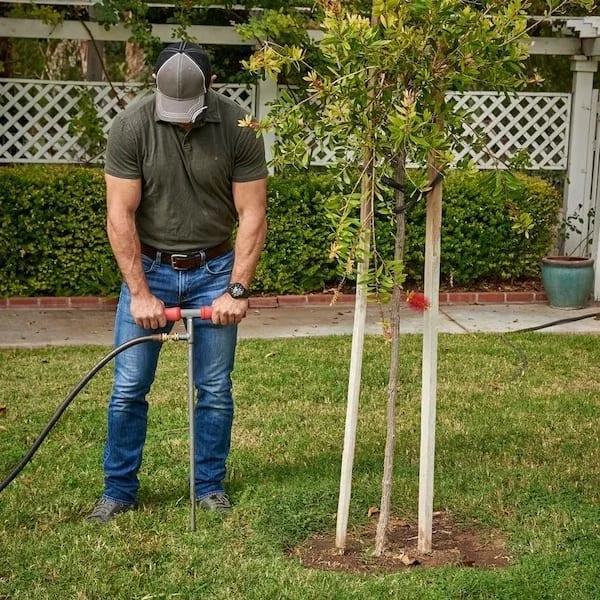
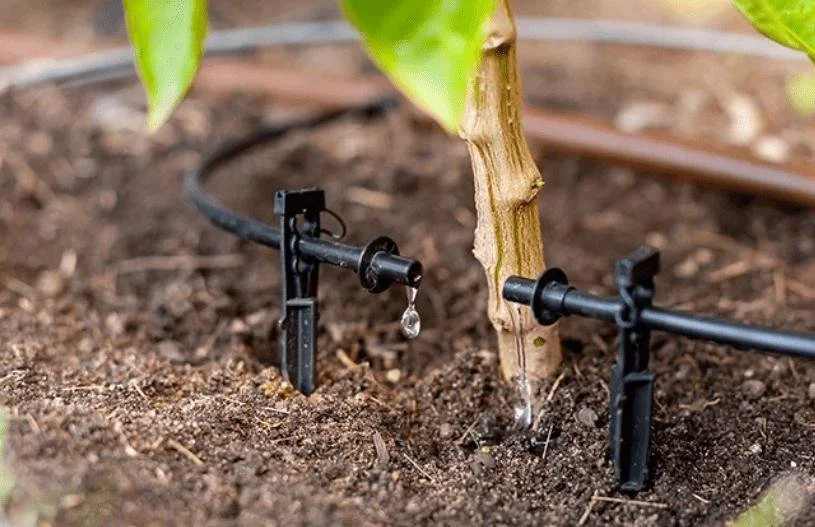
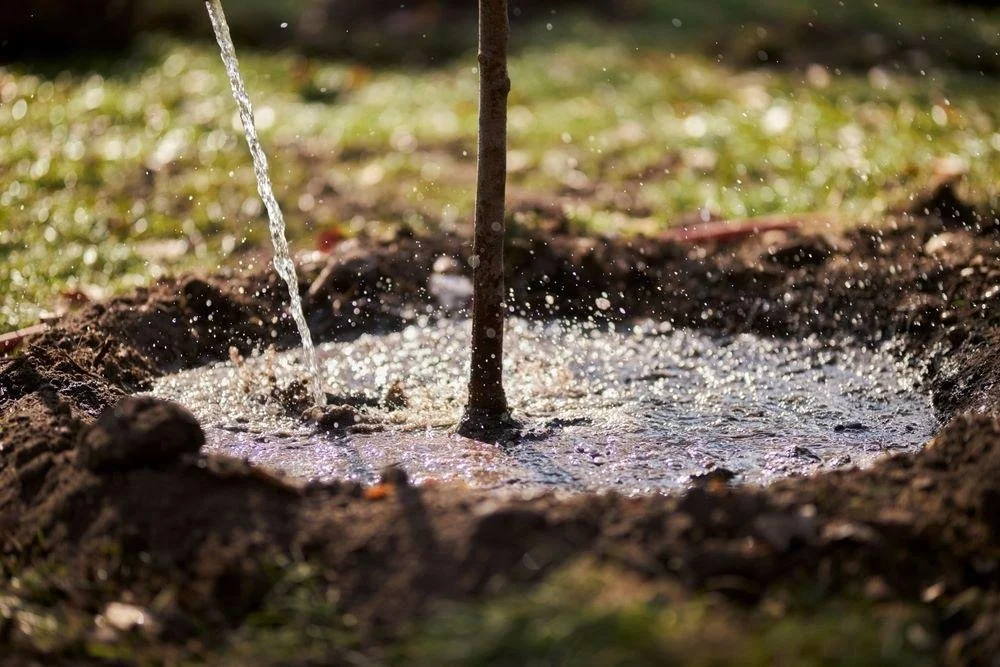
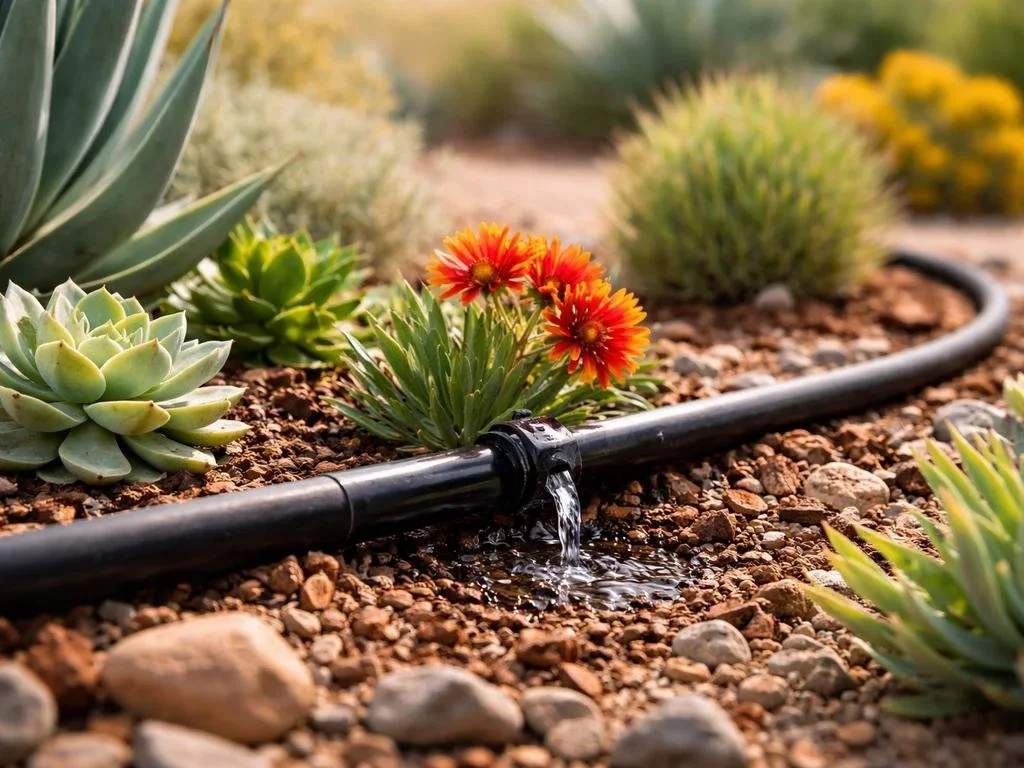
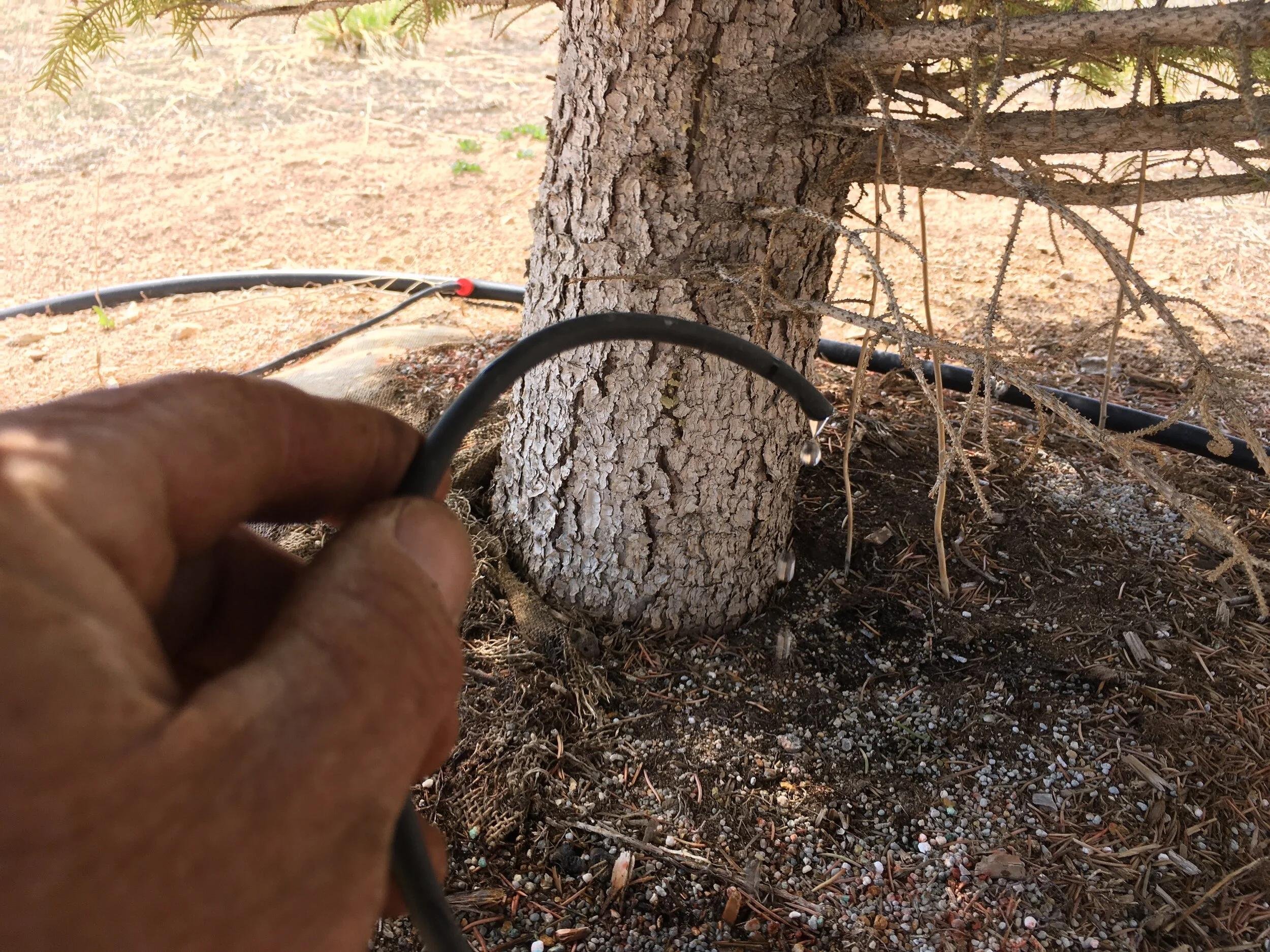
One of the biggest mistakes homeowners make during a heat wave is watering lightly every day.
Instead:
Water deeply so moisture reaches the root zone.
Water slowly to prevent runoff.
Allow water to penetrate 12–24 inches into the soil.
Focus on tree and shrub root zones—not just the surface.
Deep watering encourages stronger roots that can better withstand prolonged heat. For a complete schedule, read our Tree Watering Guide for Southern Utah.
2. Water Early in the Morning
Early morning is the best time to irrigate your landscape.
Benefits include:
Less evaporation
Better soil absorption
Plants have moisture available before afternoon heat
Leaves dry quickly, reducing disease risk
Avoid watering during the hottest part of the day whenever possible.
3. Add or Refresh Mulch
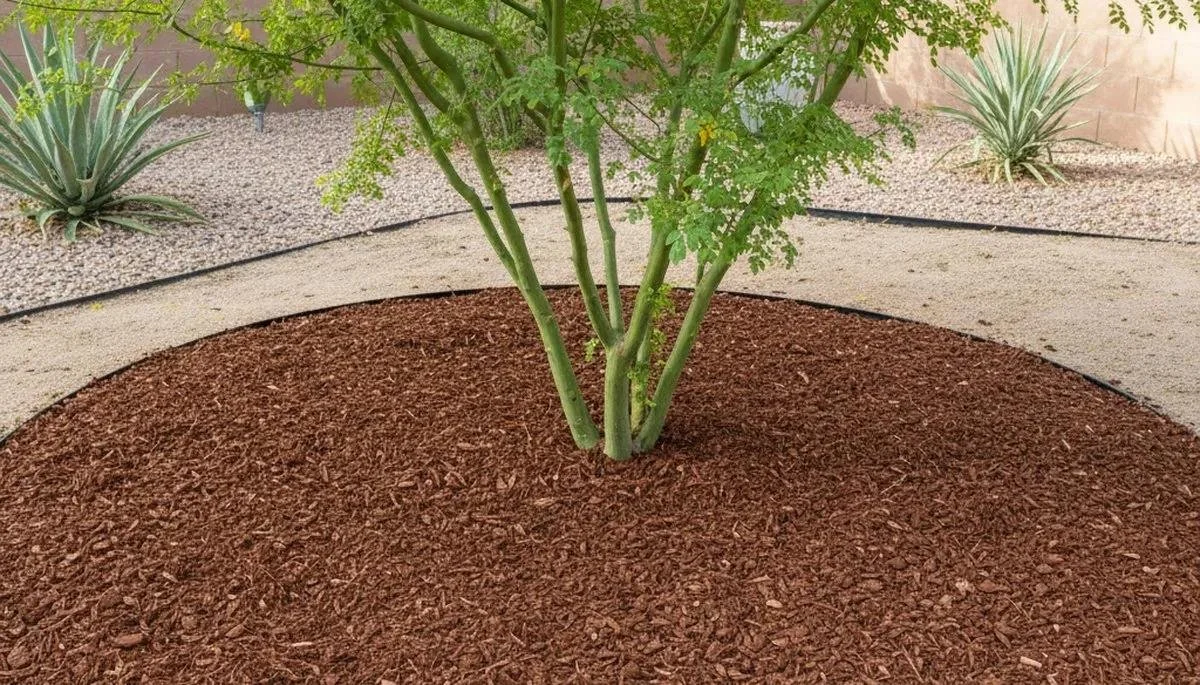
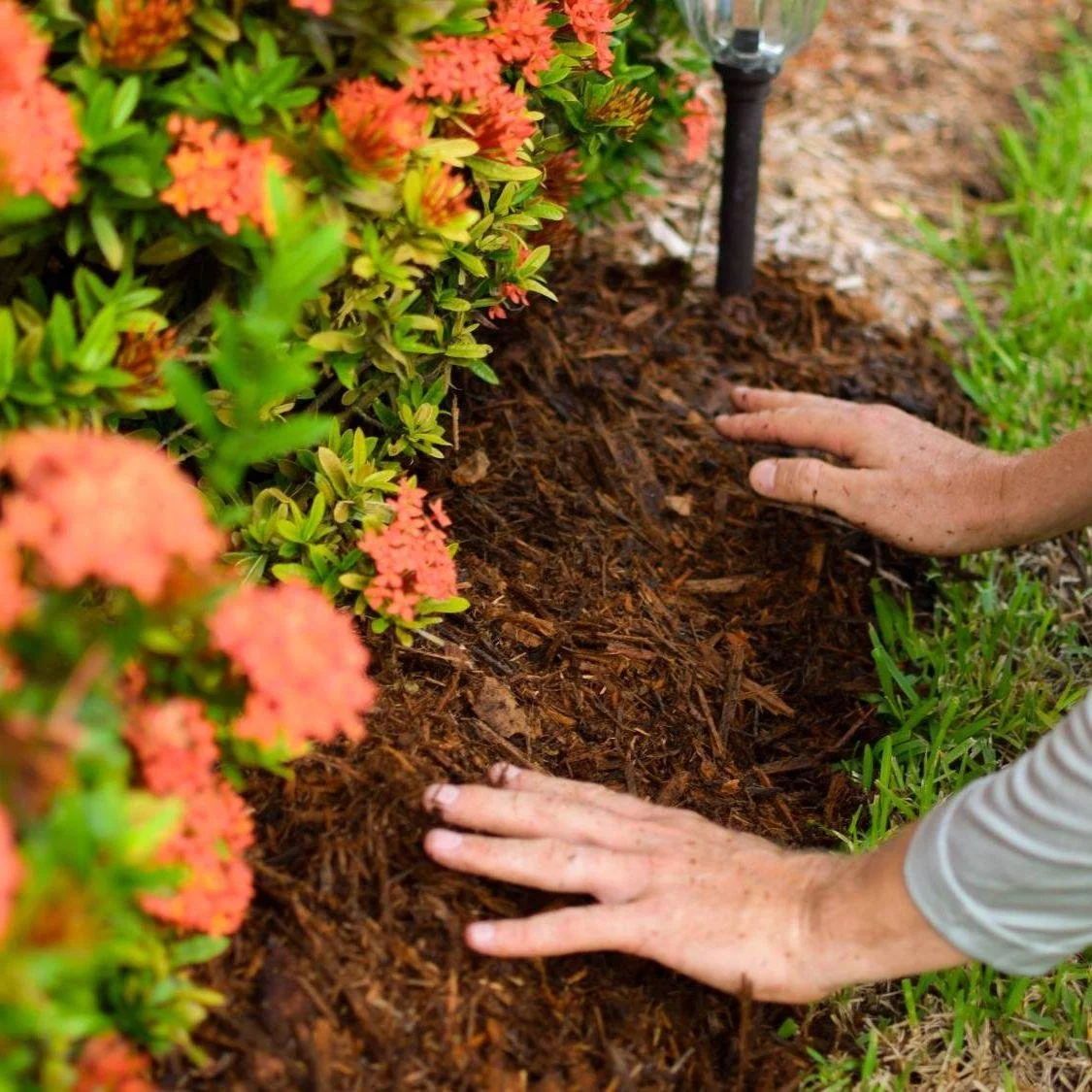
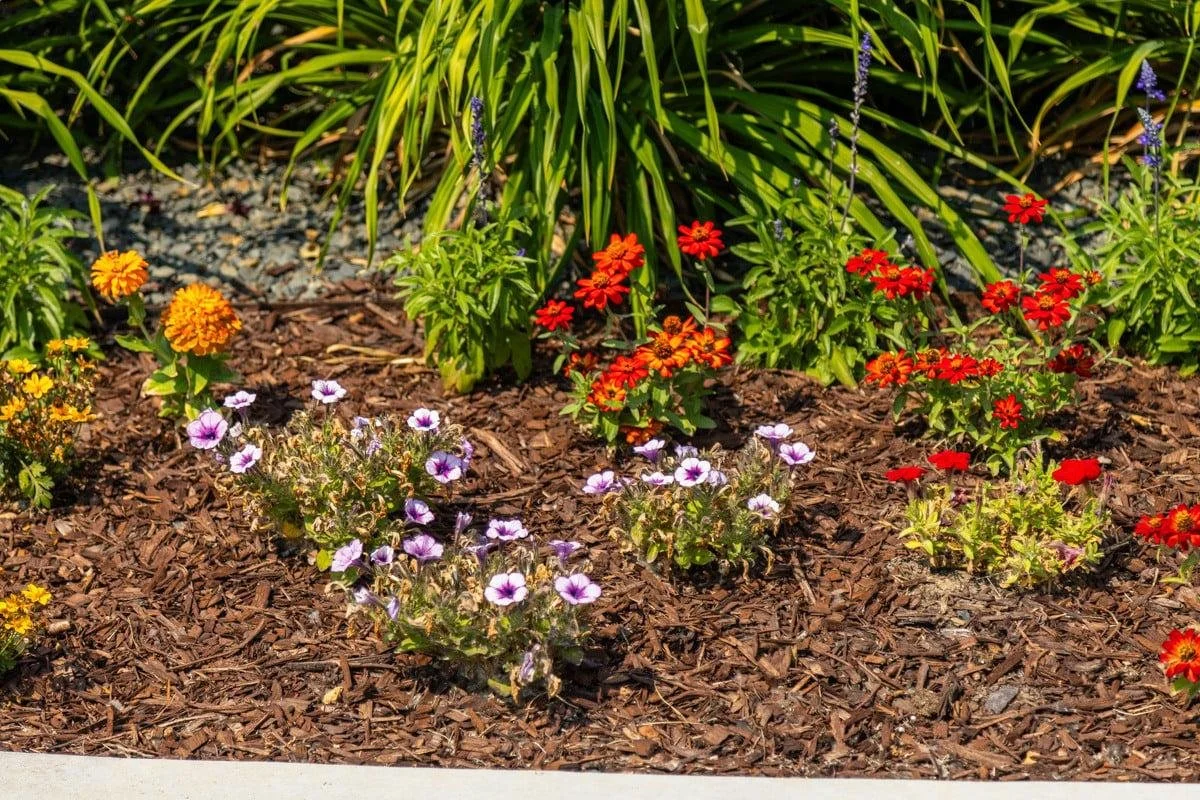
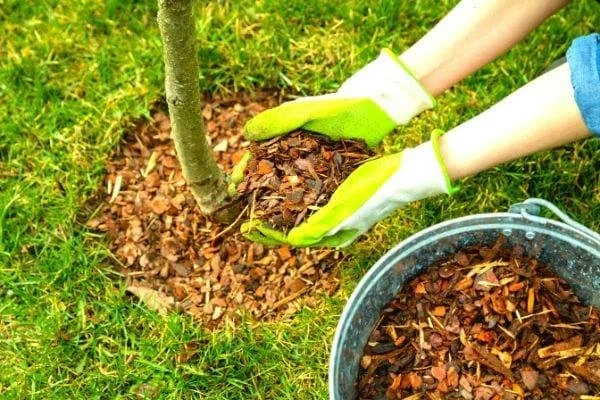
Mulch acts like insulation for your landscape.
Proper mulch helps:
Keep soil temperatures cooler
Reduce evaporation
Improve soil moisture retention
Protect shallow feeder roots
Apply 2–4 inches of mulch around trees and shrubs while keeping it several inches away from trunks and stems.
4. Delay Major Pruning
Heat waves are not the ideal time for heavy pruning. Removing large amounts of foliage can expose branches and trunks to direct sunlight, increasing stress and the risk of sun scald.
Instead:
Remove only broken or hazardous branches.
Wait until temperatures moderate before major pruning projects.
Professional tree pruning southern utah helps maintain healthy structure while minimizing stress.
5. Watch for Signs of Heat Stress
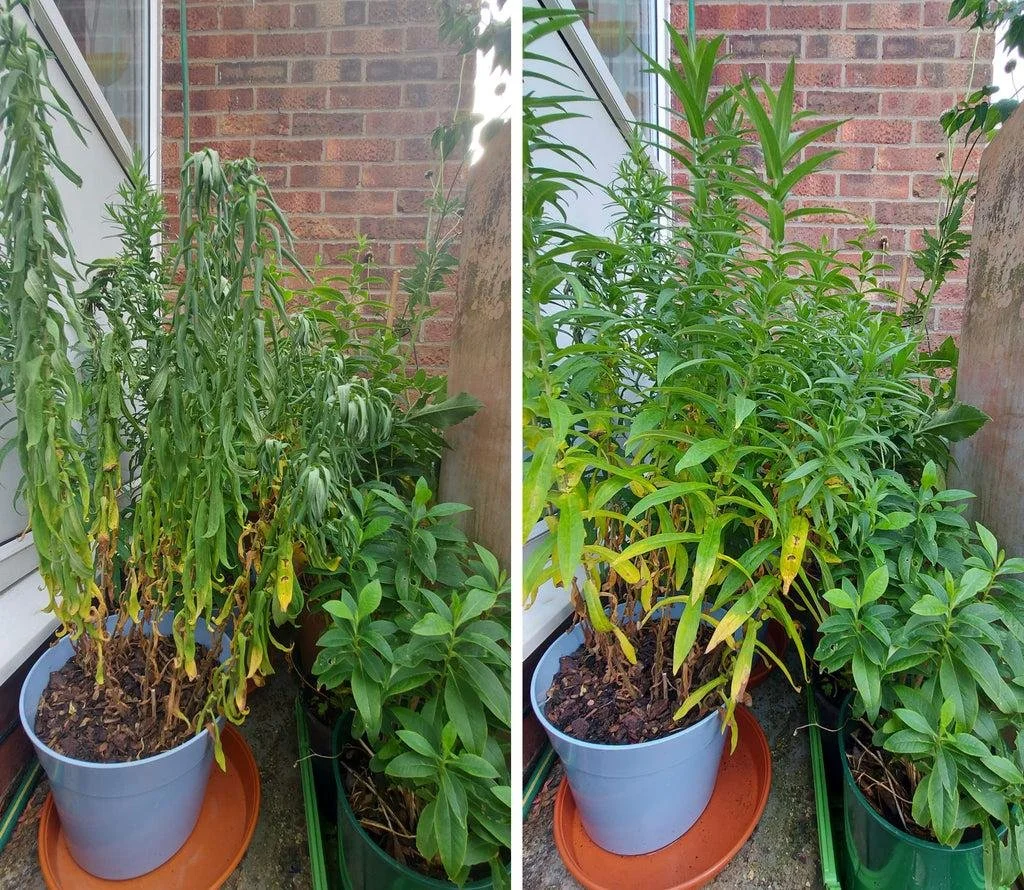
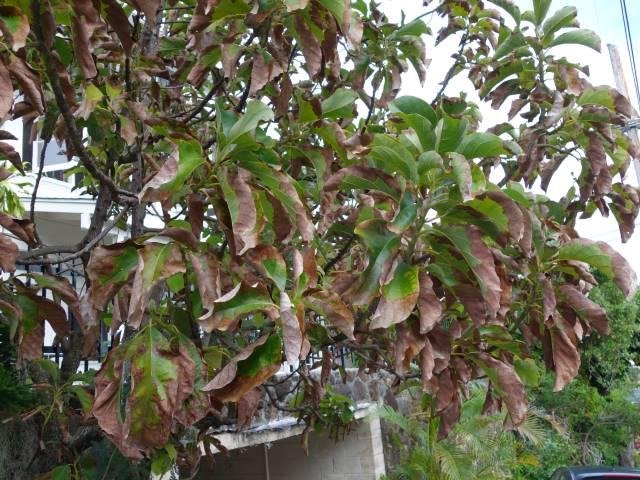
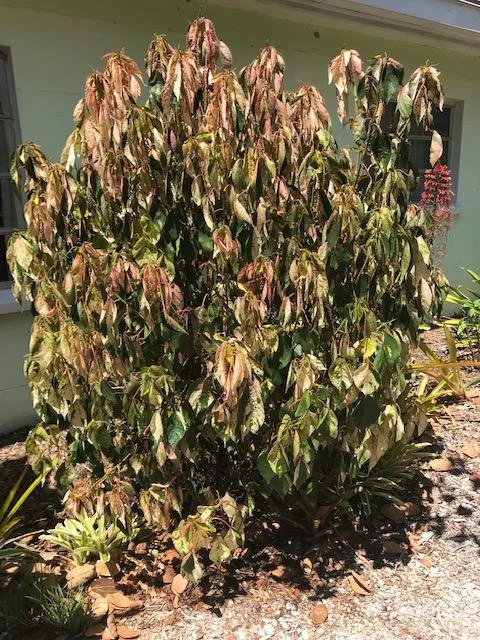
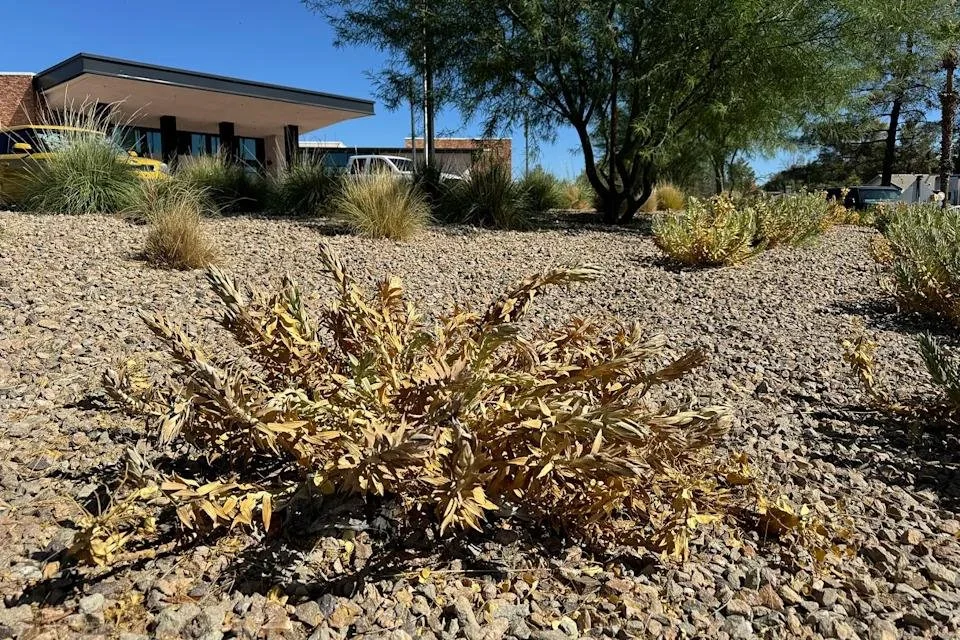
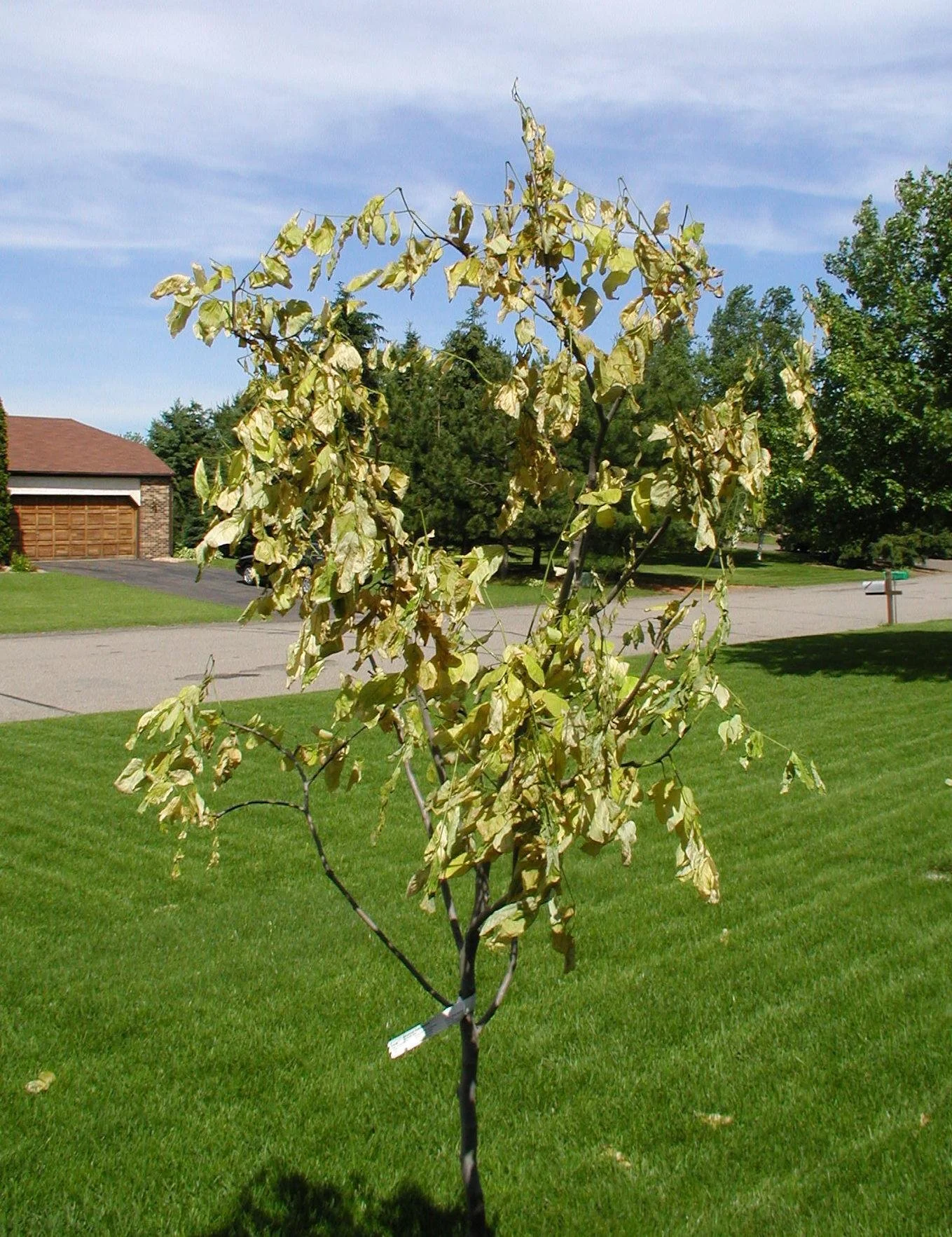
Plants often show warning signs before permanent damage occurs.
Watch for:
Wilting during the morning
Yellow leaves
Brown leaf edges
Leaf curling
Premature leaf drop
Drooping branches
Scorched foliage
If symptoms continue after proper watering, there may be underlying insect or root problems.
6. Keep Stressed Plants Protected from Insects
Heat-stressed plants become much more attractive to insects.
Common Southern Utah pests include:
Aphids
Spider mites
Scale insects
Borers
Regular tree insect prevention southern utah treatments help protect weakened plants before infestations become severe.
7. Give Newly Planted Trees Extra Attention
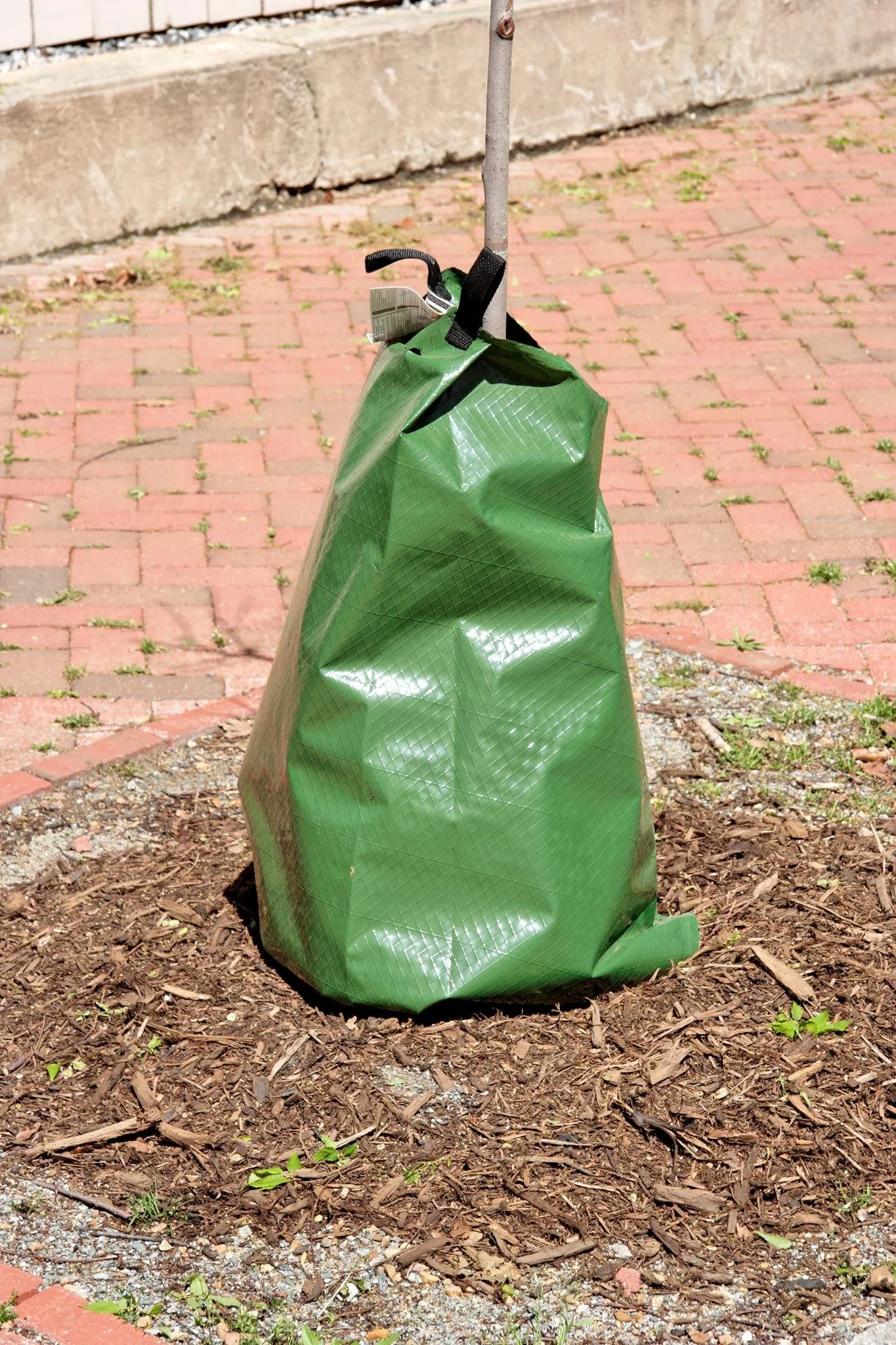
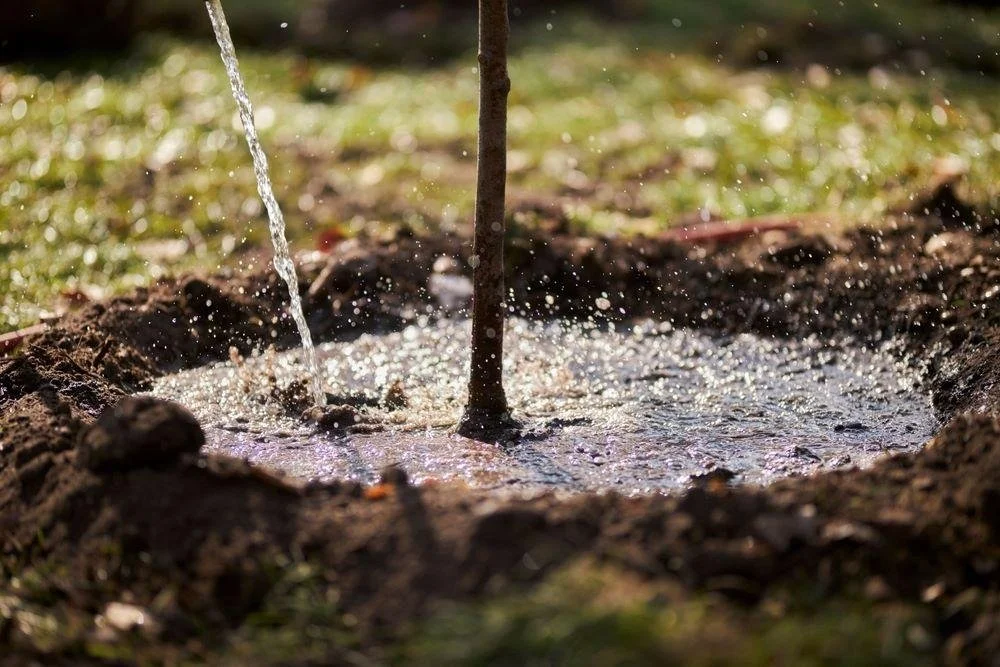
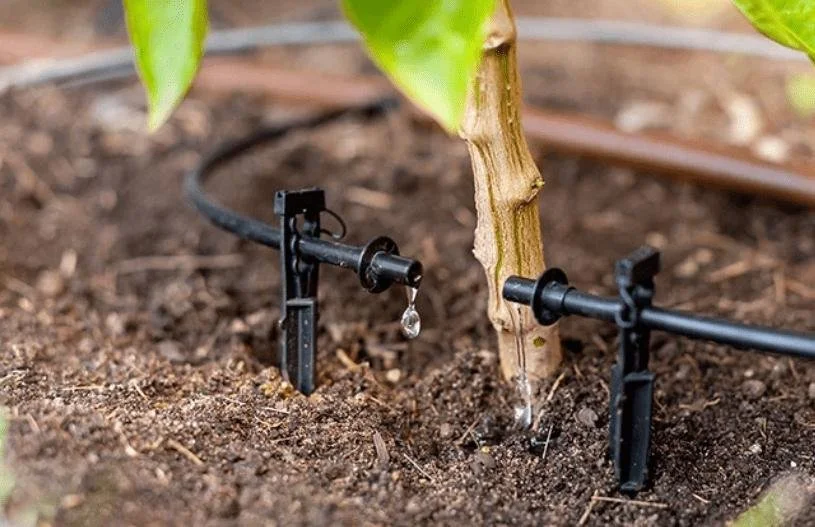
Young trees are especially vulnerable during their first two years.
During an extreme heat wave:
Check soil moisture daily.
Water deeply when the root ball begins to dry.
Use tree watering bags if appropriate.
Protect trunks from sun scald.
Monitor for leaf wilt and transplant shock.
Healthy establishment now will pay dividends for decades.
8. Don't Forget Shrubs and Ornamentals
Trees aren't the only plants affected by extreme heat.
Many shrubs and ornamental plants suffer from:
Leaf scorch
Flower drop
Browning foliage
Root stress
Pay close attention to:
Boxwoods
Privet
Oleander
Roses
Decorative grasses
Foundation shrubs
Deep watering and mulch are equally important for these landscape plants.
9. Be Careful with Fertilizer During Heat Waves
Many homeowners think fertilizer will "help" stressed plants.
In reality, applying fertilizer during extreme heat can increase stress by encouraging new growth that requires even more water.
Instead:
Wait until temperatures return to normal.
Focus on proper watering.
Have your soil evaluated before applying nutrients.
Why Professional Tree Care Matters
At Master Arbor, we understand how challenging the Southern Utah climate can be for landscapes.
We proudly serve homeowners throughout:
St. George
Washington City
Hurricane
Ivins
Silver Reef
Washington County
Our certified arborists can identify heat stress before permanent damage occurs and recommend customized watering, pruning, and insect prevention plans for your property.
Protect Your Landscape Before the Heat Takes Its Toll
Extreme heat waves are becoming more common across Southern Utah.
A proactive approach can help protect your investment and keep your landscape healthy year-round.
Whether you're concerned about trees, shrubs, or newly planted landscapes, Master Arbor is here to help.
Schedule Your Free Landscape Health Evaluation
Our team provides:
Tree health inspections
Shrub evaluations
Watering recommendations
Heat stress assessments
Insect prevention programs
Customized seasonal care plans
👉 Contact Master Arbor today to schedule your free consultation.
Related Articles
Continue learning with these helpful resources:
Frequently Asked Questions
-
Most established trees and shrubs benefit from deep watering every 3–7 days depending on the plant type, soil, and temperatures. Newly planted trees often need more frequent watering.
-
Not usually. Deep, infrequent watering is generally more effective than shallow daily watering because it encourages deeper root growth.
-
Yes. Many plants recover if they're watered correctly, protected from additional stress, and treated before permanent damage occurs.
-
No. It's best to wait until temperatures cool. Fertilizing during extreme heat can encourage tender new growth that is more susceptible to damage.
-
Wilting, yellow leaves, brown leaf edges, curling foliage, and premature leaf drop are common early warning signs.
