
How to Prevent Sun Scald on Young Trees in Southern Utah
Protecting Young Trees from Desert Heat in St. George & Washington County
Planting a new tree is one of the best investments you can make for your property. A healthy tree provides shade, beauty, increased property value, and long-term environmental benefits.
Unfortunately, many newly planted trees in Southern Utah never reach their full potential because of one often-overlooked problem: sun scald. At Master Arbor, we frequently see young trees in St. George, Washington City, Hurricane, Ivins, and throughout Washington County suffering from trunk damage caused by intense sunlight and extreme temperature swings. The good news is that sun scald is almost always preventable with the right care. In this guide, we'll explain what sun scald is, why it happens, how to recognize it, and the best ways to protect your young trees.
What Is Sun Scald?
Sun scald (also called southwest injury) occurs when the bark of a young tree becomes overheated by direct sunlight. During sunny winter afternoons or scorching summer days, the bark can warm significantly. When temperatures suddenly drop overnight, living cells beneath the bark are damaged or killed. Unlike leaf scorch, sun scald affects the trunk itself, damaging the cambium layer responsible for transporting water and nutrients throughout the tree. Because young trees have thin bark, they are much more susceptible than mature trees.
Why Sun Scald Is So Common in Southern Utah
Southern Utah provides nearly perfect conditions for sun scald because of:
Over 300 days of sunshine each year
Triple-digit summer temperatures
Reflective heat from sidewalks, gravel, and rock landscaping
Large day-to-night temperature swings
Dry desert air
Young trees planted in full sun—especially on the south or southwest side of a property—are particularly vulnerable.
Signs Your Young Tree Has Sun Scald
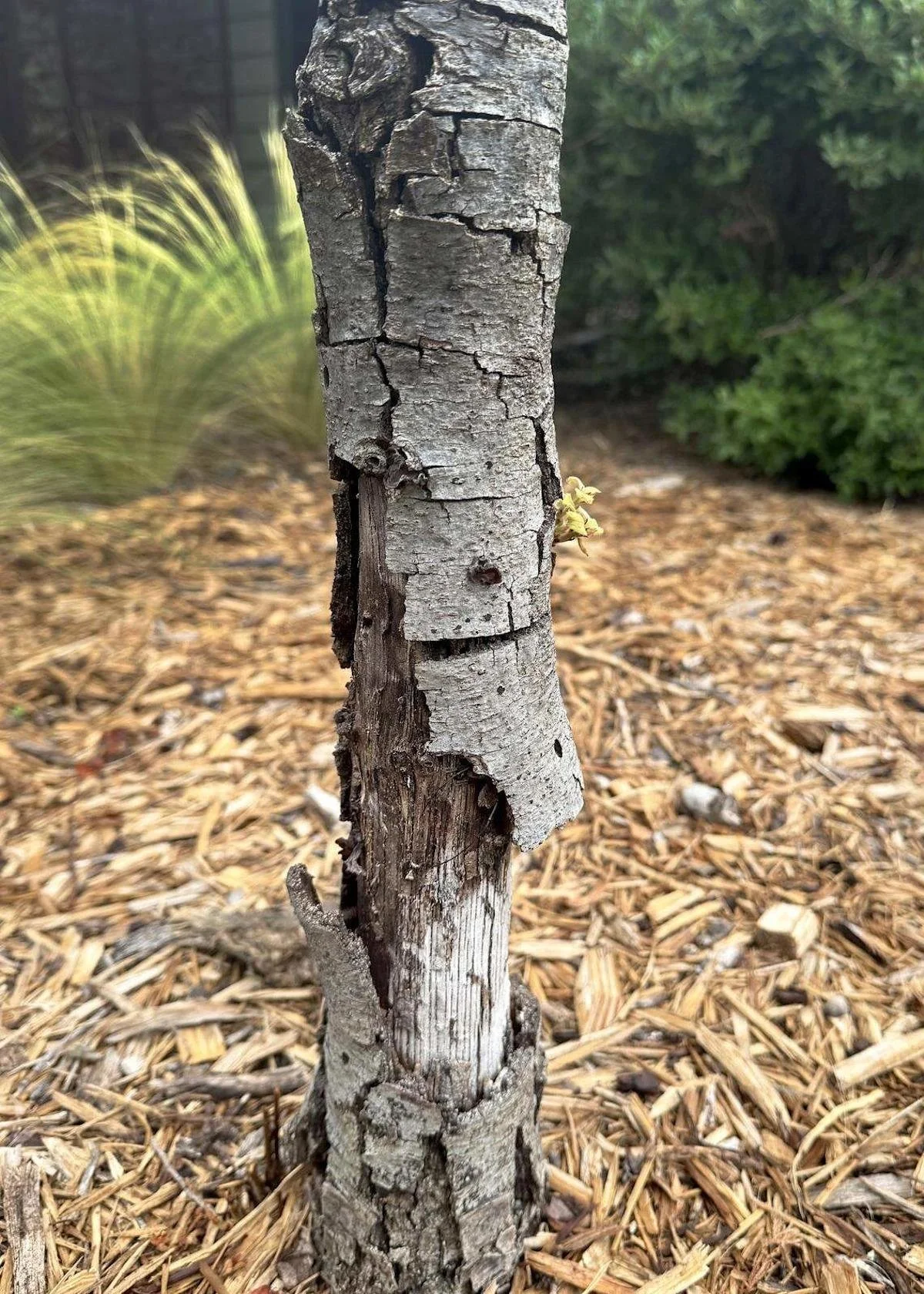
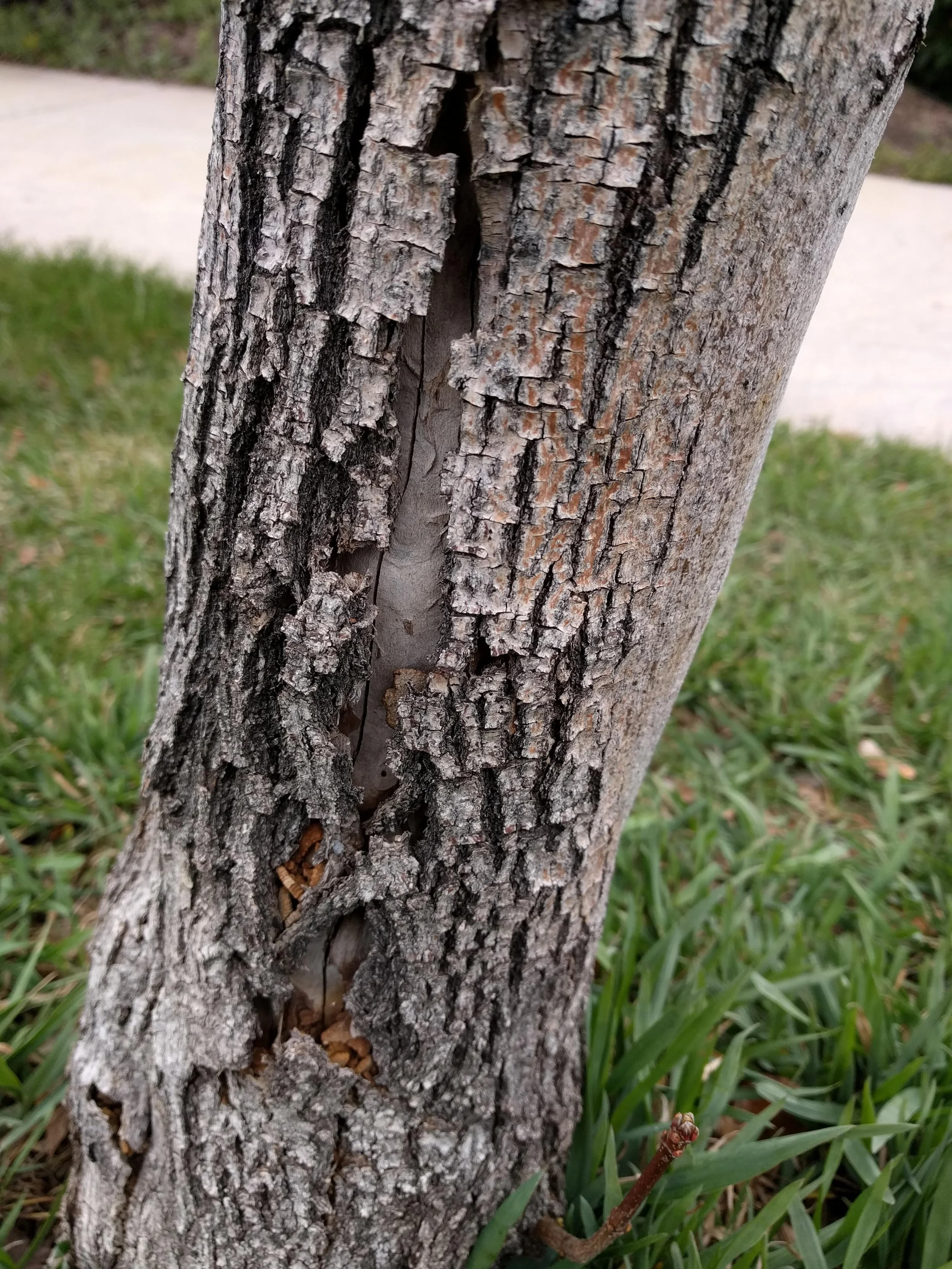
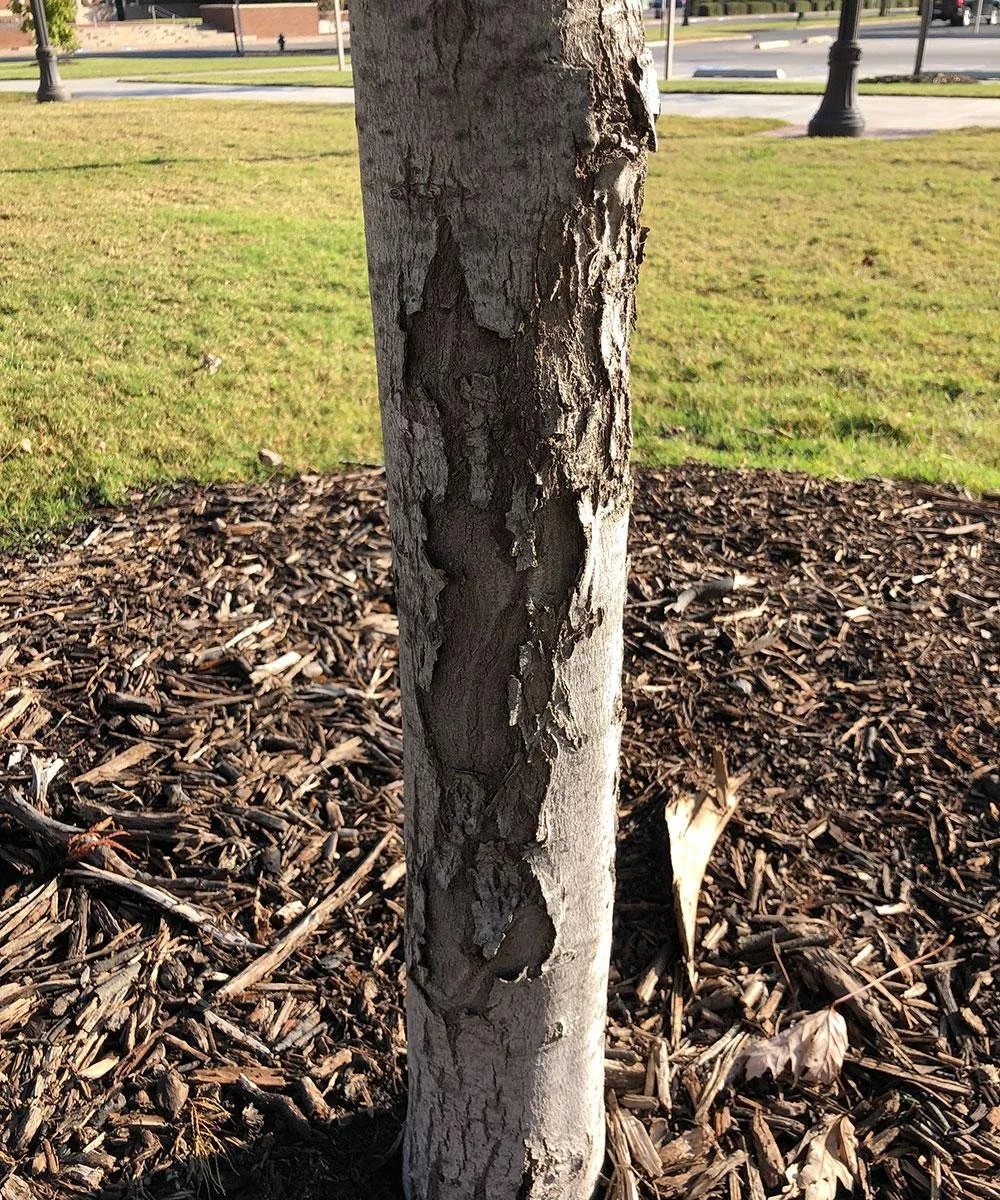
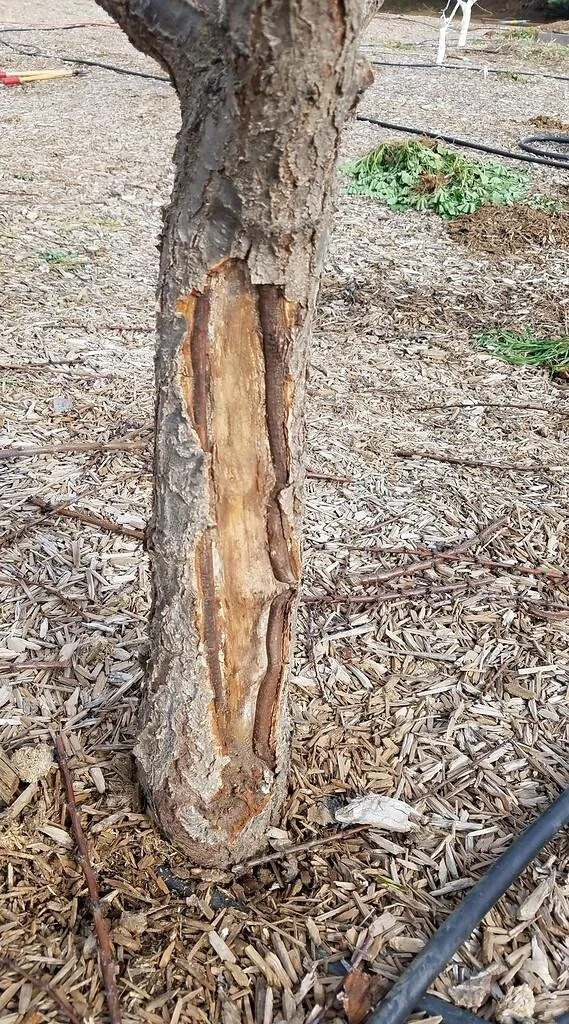
Early detection gives your tree the best chance of recovery.
Watch for these symptoms:
Vertical cracks in the bark
Peeling or flaking bark
Sunken or dead areas on the trunk
Discolored bark
Sap leaking from damaged areas
Branch dieback above the injury
Sparse or yellow leaves the following growing season
Many homeowners first notice the problem when they begin asking:
Why is my tree dying in Southern Utah?
Why are my leaves turning yellow?
The actual issue may have started months earlier with trunk damage.
Trees Most at Risk
Some species are naturally more susceptible because they have thinner bark.
Common examples include:
Maple
Ash
Fruit trees
Chinese Pistache
Redbud
Linden
Young ornamental trees
Recently transplanted trees face an even greater risk because they haven't developed enough canopy to shade their trunks naturally.
7 Ways to Prevent Sun Scald
1. Wrap the Trunk During the First Few Years
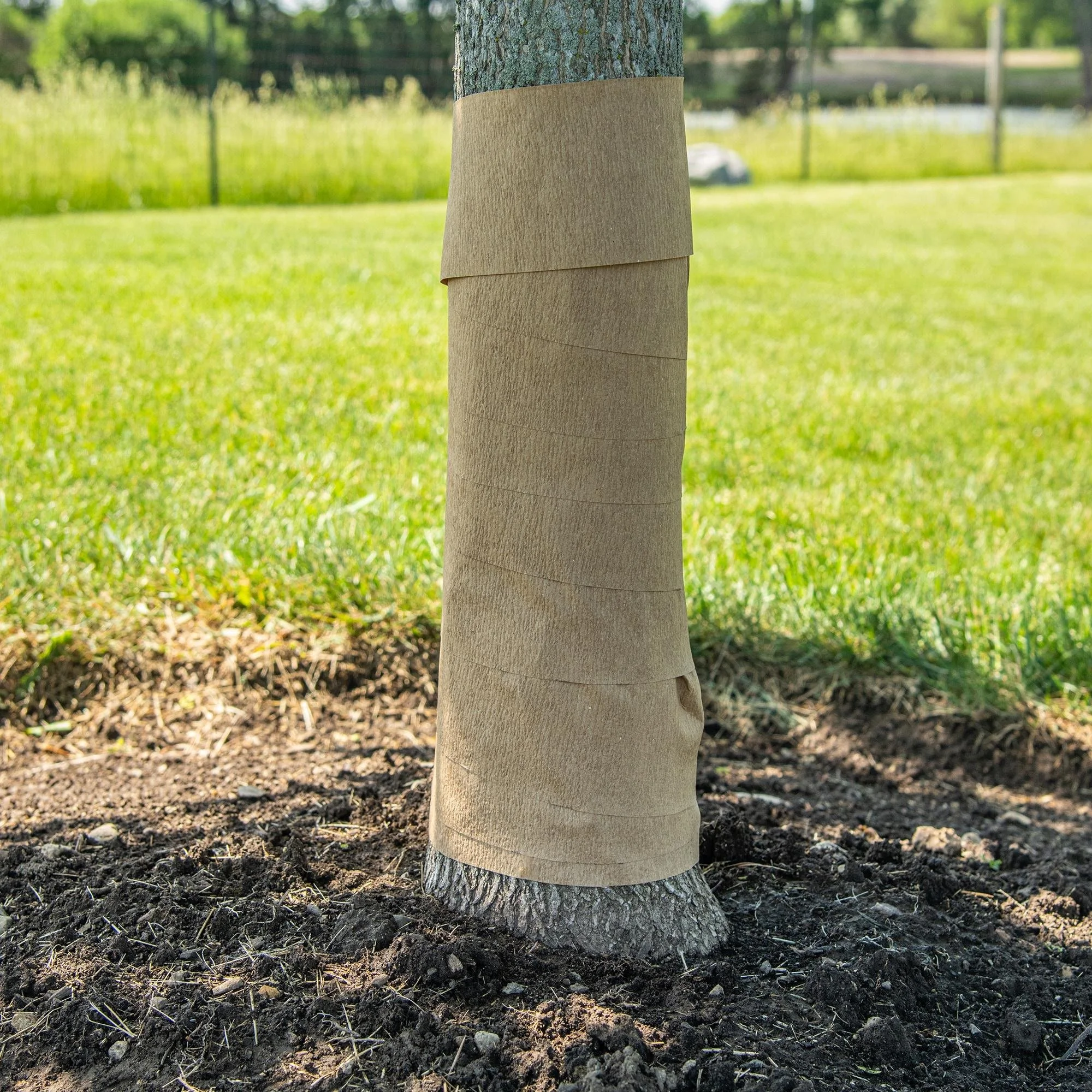
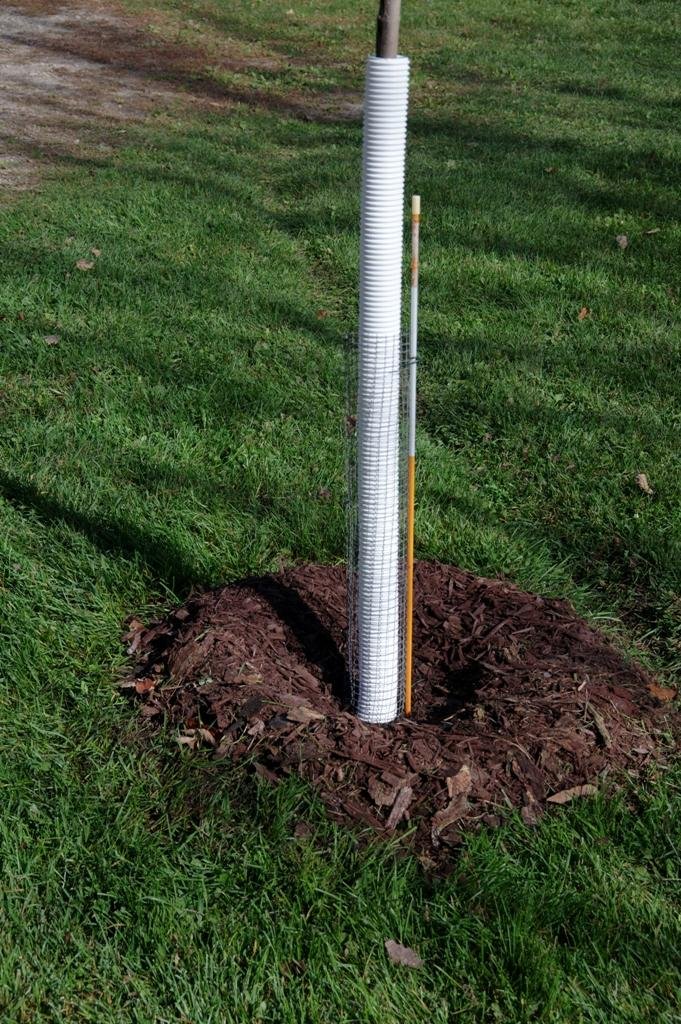
Tree wraps or protective guards help reflect sunlight and reduce rapid temperature fluctuations. Use breathable tree wraps designed specifically for young trees. Remove and inspect wraps periodically to avoid trapping insects or moisture.
2. Paint the Trunk (When Appropriate)
Many professional arborists recommend using diluted white interior latex paint on the lower trunk of susceptible young trees. The white color reflects sunlight and helps prevent overheating. Never use oil-based paint or dark colors.
3. Water Deeply
Healthy, hydrated trees tolerate environmental stress much better. Deep watering encourages stronger root development and helps trees recover from heat. Learn more in our tree care southern utah watering guide.
4. Apply Mulch Properly
Mulch helps:
Moderate soil temperatures
Retain moisture
Reduce heat stress
Improve root health
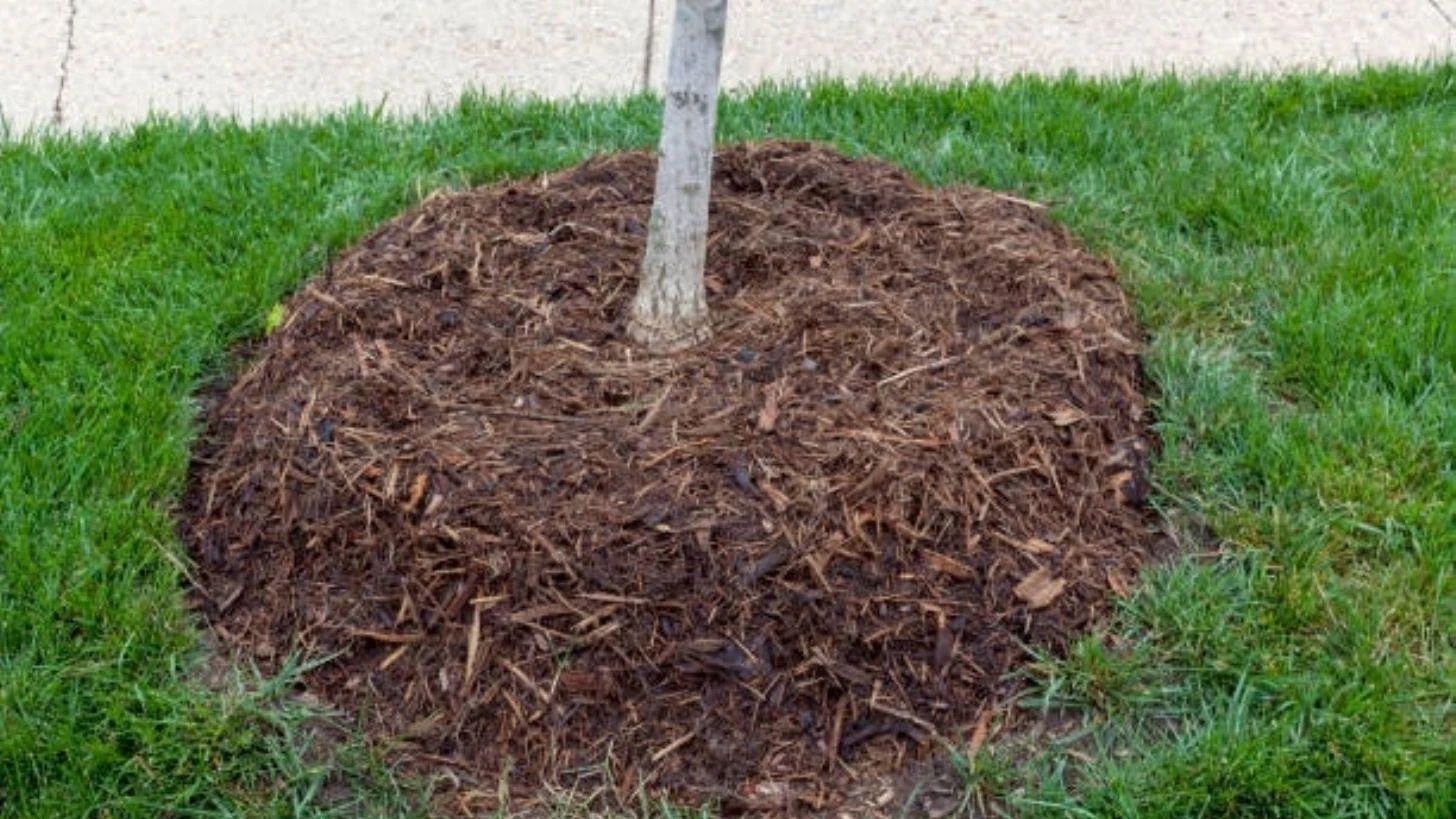
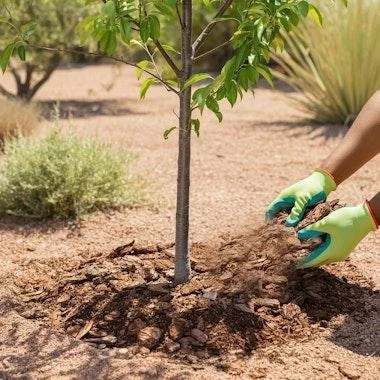
Apply 2–4 inches of mulch around the root zone, keeping it several inches away from the trunk.
5. Avoid Damaging the Bark
Even minor injuries from lawn equipment can combine with sun exposure to create larger problems.
Protect the trunk from:
Weed eaters
Lawn mowers
Pets
Construction equipment
6. Don't Over-Prune Young Trees
A common mistake is removing too many lower branches. These temporary branches naturally shade the trunk while the tree matures. Professional tree pruning southern utah focuses on proper structure without exposing the trunk unnecessarily.
7. Schedule Regular Tree Health Inspections
A certified arborist can identify early signs of:
Heat stress
Bark injury
Insect activity
Nutrient deficiencies
Watering problems
Catching issues early is far less expensive than replacing a damaged tree.
Can a Tree Recover from Sun Scald?
Yes—many trees recover if the damage isn't severe.
Recovery depends on:
Tree species
Age
Amount of trunk affected
Overall tree health
Proper watering and maintenance
Trees don't "heal" damaged bark like people heal skin. Instead, they slowly grow new wood around the injured area through a process called compartmentalization. The healthier the tree, the better this process works.
Why Professional Tree Care Makes a Difference
At Master Arbor, we help homeowners throughout:
St. George
Washington City
Hurricane
Ivins
Silver Reef
Washington County
protect newly planted trees from heat stress, bark damage, insects, and improper watering. Our arborists can evaluate your trees and recommend customized care plans designed specifically for Southern Utah's desert climate.
Protect Your Investment Before Damage Occurs
Young trees are one of the most valuable additions to your landscape—but only if they survive their first few years. Simple preventative steps today can help your trees provide decades of beauty, shade, and value. If you're unsure whether your trees are showing signs of sun scald or other heat-related damage, we're here to help.
Schedule a Free Tree Health Evaluation
Whether you've recently planted a tree or are concerned about bark damage, Master Arbor can help.
Our certified arborists provide:
Professional tree inspections
Watering recommendations
Heat stress evaluations
Insect prevention
Long-term tree health plans
👉 Contact Master Arbor today for a free consultation and keep your young trees healthy year-round.
Related Articles
Continue learning with these helpful resources:
Frequently Asked Questions
-
Sun scald is damage to the trunk caused by intense sunlight followed by rapid temperature changes. It commonly affects young trees with thin bark.
-
Many trees recover if the damage is limited and they receive proper watering, protection, and ongoing care.
-
Yes. Tree wraps or protective guards are often recommended during the first few years after planting, especially for trees growing in full sun.
-
Yes. Diluted white interior latex paint is commonly used by arborists to reflect sunlight and reduce trunk temperatures on susceptible young trees.
-
Deep watering, proper mulching, temporary trunk protection, avoiding over-pruning, and regular inspections are the best ways to prevent sun scald and heat damage.
